While a lot of focus has been on the TPM requirements for Windows 11, Microsoft has since updated its documentation to provide a complete list of supported processors. At present the list includes only Intel 8th Generation Core processors or newer, and AMD Ryzen Zen+ processors or newer, effectively limiting Windows 11 to PC less than 4-5 years old.
Originally, Microsoft noted that CPU generation requirements are a “soft floor” limit for the Windows 11 installer, which should have allowed some older CPUs to be able to install Windows 11 with a warning, but hours after we published this story, the company updated that page to explicitly require the list of chips above.
Many Windows 10 users have been downloading Microsoft’s PC Health App (available here) to see whether Windows 11 works on their systems, only to find it fails the check… This is the first significant shift in Windows hardware requirements since the release of Windows 8 back in 2012, and the CPU changes are understandably catching people by surprise.
Microsoft is also requiring a front-facing camera for all Windows 11 devices except desktop PCs from January 2023 onwards.
“In order to run Windows 11, devices must meet the hardware specifications,” explains Microsoft’s official compatibility page for Windows 11.
“Devices that do not meet the hardware requirements cannot be upgraded to Windows 11.”
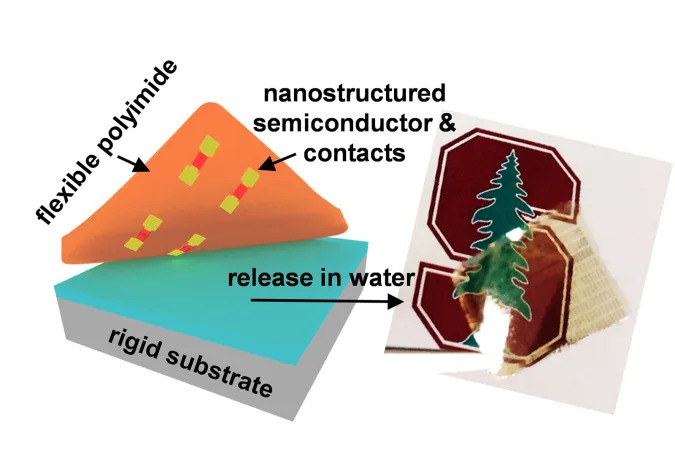
Stanford researchers have developed a new technique that produces “atomically-thin” transistors under 100 nanometers long. That’s “several times” shorter than the previous best, according to the university.
The team accomplished the feat by overcoming a longstanding hurdle in flexible tech. While ‘2D’ semiconductors are the ideal, they require so much heat to make that they’d melt the flexible plastic. The new approach covers glass-coated silicon with a super-thin semiconductor film (molybdenum disulfide) overlayed with nano-patterened gold electrodes. This produces a film just three atoms thick using a temperature nearing 1,500F — the conventional plastic substrate would have deformed around 680F.
Once the components have cooled, the team can apply the film to the substrate and take a few “additional fabrication steps” to create a whole structure about five microns thick, or a tenth the thickness of human hair. It’s even ideal for low-power use, as it can handle high currents at low voltage.
Featured in Nature Communications, this new research could result in the development of wearable tech that could sense, store, analyze, and infer the activity(s) of its wearers in real-time. The senior author of the study, Yeol Fink, believes that digital fibers like those developed in this study could help expand the possibilities for fabrics to “uncover the context of hidden patterns in the human body that could be used for physical performance monitoring, medical inference, and early disease detection.”
Applications for the technology could even expand into other areas of our lives like, for example, storing wedding music within the bride’s gown.
This study is important as, up to now, most electronic fibers have been analog. This means that they carry a continuous electronic signal rather than a purely digital one.
“This work presents the first realization of a fabric with the ability to store and process data digitally, adding a new information content dimension to textiles and allowing fabrics to be programmed literally,” explained Fink.
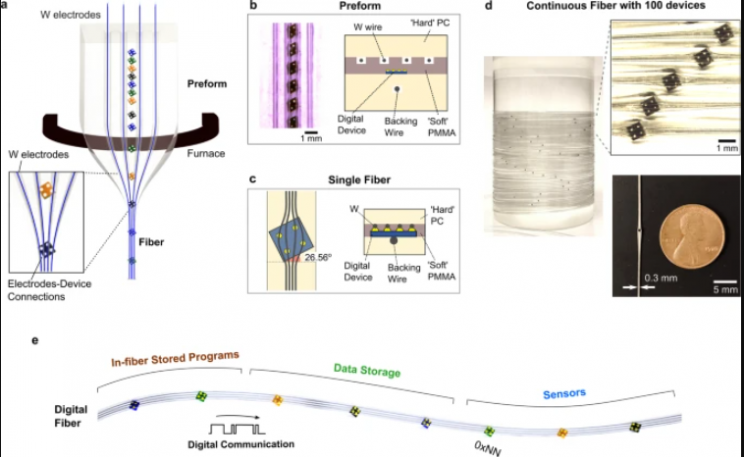
The fibers are made from chains of hundreds of tiny silicon chips
The fibers were created by chaining hundreds of microscale silicon digital chips into a preform to make a new “smart” polymer fiber. By using precision control, the authors of the study were able to create fibers with the continuous electrical connection between each chip of tens of meters.
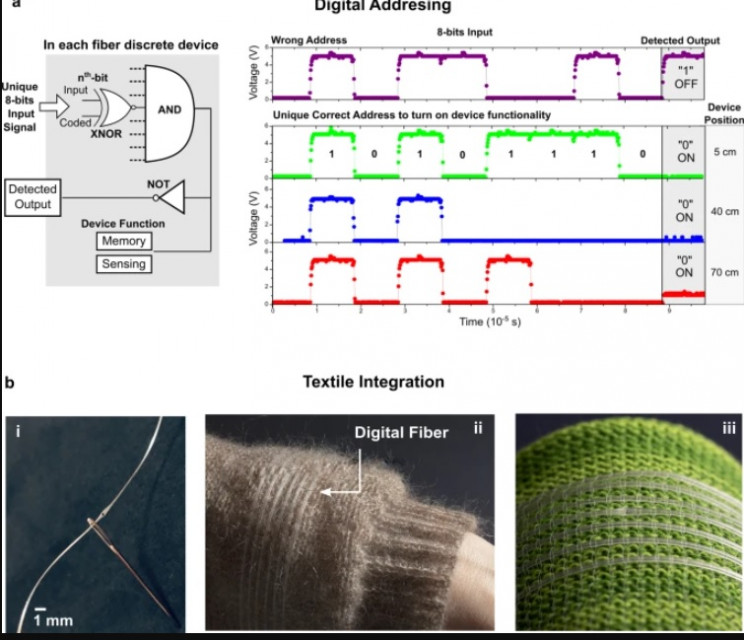
These fibers are thin and flexible and can even be passed through the eye of a needle. This would mean they could be seamlessly (pun intended) woven into existing fabrics, and can even withstand being washed at least ten times without degrading.
This would mean this wearable tech could be retrofitted to existing clothing and you wouldn’t even know it’s there.
[…]
The fiber also has a pretty decent storage capacity too — all things considered. During the research, it was found to be possible to write, store, and recall 767-kilobit full-color short movie files and a 0.48-megabyte music file. The files can be stored for two months without power.
The fibers have also been outfitted with their own neural network
The fibers also integrate a neural network with thousands of connections. This was used to monitor and analyze the surface body temperature of a test subject after being woven into the armpit of the shirt.
By training the neural network with 270-minutes of data the team got it to predict the minute-by-minute activity of the shirt’s wearer with 96% accuracy.
“This type of fabric could give quantity and quality open-source data for extracting out new body patterns that we did not know about before,” Loke added.
With their analytical capabilities, such fibers could, conceivably, provide real-time alerts about a person’s health (like respiratory or heart problems). It could even be used to help deliver muscle activation signals or heart rate data for athletes.
The fibers are also controlled using a small external device that could have microcontrollers added to it in the future.
Jaguar Land Rover (JLR) is shutting its two main car factories temporarily due to a shortage of computer chips.
The difficulties at Britain’s biggest carmaker echo similar problems at other manufacturers, including Ford, who have been hit by a global shortage of chips.
JLR said there would be a “limited period” of closure at its Halewood and Castle Bromwich sites from Monday.
A mixture of strong demand and Covid shutdowns at chipmakers has also hit phone, TV and video games companies.
Companies that sell refrigerators, washers, hairdryers, or TVs in the European Union will need to ensure those appliances can be repaired for up to 10 years, to help reduce the vast mountain of electrical waste that piles up each year on the continent.
The “right to repair,” as it is sometimes called, comes into force across the 27-nation bloc on Monday. It is part of a broader effort to cut the environmental footprint of manufactured goods by making them more durable and energy-efficient.
[…]
“This is a really big step in the right direction,” said Daniel Affelt of the environmental group BUND-Berlin, which runs several “repair cafes” where people can bring in their broken appliances and get help fixing them up again.
Modern appliances are often glued or riveted together, he said. “If you need special tools or have to break open the device, then you can’t repair it.”
Lack of spare parts is another problem, campaigners say. Sometimes a single broken tooth on a tiny plastic sprocket can throw a proverbial wrench in the works.
“People want to repair their appliances,” Affelt said. “When you tell them that there are no spare parts for a device that’s only a couple of years old then they are obviously really frustrated by that.”
Under the new EU rules, manufacturers will have to ensure parts are available for up to a decade, though some will only be provided to professional repair companies to ensure they are installed correctly.
The demand to store ever-increasing volumes of information has resulted in the widespread implementation of data centers for Big Data. These centers consume massive amounts of energy (about 3% of global electricity supply) and rely on magnetization-based hard disk drives with limited storage capacity (up to 2 TB per disk) and lifespan (three to five years). Laser-enabled optical data storage is a promising and cost-effective alternative for meeting this unprecedented demand. However, the diffractive nature of light has limited the size to which bits can be scaled, and as a result, the storage capacity of optical disks.Researchers at USST, RMIT and NUS have now overcome this limitation by using earth-rich lanthanide-doped upconversion nanoparticles and graphene oxide flakes. This unique material platform enables low-power optical writing nanoscale information bits.A much-improved data density can be achieved for an estimated storage capacity of 700 TB on a 12-cm optical disk, comparable to a storage capacity of 28,000 Blu-ray disks. Furthermore, the technology uses inexpensive continuous-wave lasers, reducing operating costs compared to traditional optical writing techniques using expensive and bulky pulsed lasers.This technology also offers the potential for optical lithography of nanostructures in carbon-based chips under development for next-generation nanophotonic devices.
Seismologists at Caltech working with optics experts at Google have developed a method to use existing underwater telecommunication cables to detect earthquakes. The technique could lead to improved earthquake and tsunami warning systems around the world.
[…]
evious efforts to use optical fibers to study seismicity have relied on the addition of sophisticated scientific instruments and/or the use of so-called “dark fibers,” fiber optic cables that are not actively being used.
Now Zhongwen Zhan (Ph.D. ’13), assistant professor of geophysics at Caltech, and his colleagues have come up with a way to analyze the light traveling through “lit” fibers—in other words, existing and functioning submarine cables—to detect earthquakes and ocean waves without the need for any additional equipment. They describe the new method in the February 26 issue of the journal Science.
[…]
The cable networks work through the use of lasers that send pulses of information through glass fibers bundled within the cables to deliver data at rates faster than 200,000 kilometers per second to receivers at the other end. To make optimal use of the cables—that is, to transfer as much information as possible across them—one of the things operators monitor is the polarization of the light that travels within the fibers. Like other light that passes through a polarizing filter, laser light is polarized—meaning, its electric field oscillates in just one direction rather than any which way. Controlling the direction of the electric field can allow multiple signals to travel through the same fiber simultaneously. At the receiving end, devices check the state of polarization of each signal to see how it has changed along the path of the cable to make sure that the signals are not getting mixed.
[…]
On land, all sorts of disturbances, such as changes in temperature and even lightning strikes, can change the polarization of light traveling through fiber optic cables. Because the temperature in the deep ocean remains nearly constant and because there are so few disturbances there, the change in polarization from one end of the Curie Cable to the other remains quite stable over time, Zhan and his colleagues found.
However, during earthquakes and when storms produce large ocean waves, the polarization changes suddenly and dramatically, allowing the researchers to easily identify such events in the data.
Currently, when earthquakes occur miles offshore, it can take minutes for the seismic waves to reach land-based seismometers and even longer for any tsunami waves to be verified. Using the new technique, the entire length of a submarine cable acts as a single sensor in a hard-to-monitor location. Polarization can be measured as often as 20 times per second. That means that if an earthquake strikes close to a particular area, a warning could be delivered to the potentially affected areas within a matter of seconds.
During the nine months of testing reported in the new study (between December 2019 and September 2020), the researchers detected about 20 moderate-to-large earthquakes along the Curie Cable, including the magnitude-7.7 earthquake that took place off of Jamaica on January 28, 2020.
Although no tsunamis were detected during the study, the researchers were able to detect changes in polarization produced by ocean swells that originated in the Southern Ocean. They believe the changes in polarization observed during those events were caused by pressure changes along the seafloor as powerful waves traveled past the cable. “This means we can detect ocean waves, so it is plausible that one day we will be able to detect tsunami waves,” says Zhan.
Zhan and his colleagues at Caltech are now developing a machine learning algorithm that would be able to determine whether detected changes in polarization are produced by earthquakes or ocean waves rather than some other change to the system, such as a ship or crab moving the cable. They expect that the entire detection and notification process could be automated to provide critical information in addition to the data already collected by the global network of land-based seismometers and the buoys in the Deep-ocean Assessment and Reporting of Tsunamis (DART) system, operated by the National Oceanic and Atmospheric Administration’s National Data Buoy Center.
Apple, on its French website, is now publishing repairability scores for its notoriously difficult to repair products, in accordance with a Gallic environmental law enacted a year ago.
Cook & Co score themselves on repairability however, and Cupertino kit sometimes fares better under internal interpretation of the criteria [PDF] than it does under ratings awarded by independent organizations.
For example, Apple gave its 2019 model year 16-inch MacBook Pro (A2141) a repairability score of 6.3 out of 10. According to iFixit, a repair community website, that MacBook Pro model deserves a score of 1 out of 10.
Apple’s evaluation of its products aligns more closely with independent assessment when it comes to phones. Apple gives its iPhone 12 Pro a repairability score of six, which matches the middling score bestowed by iFixit.
“It’s self-reporting right now,” said Gay Gordon-Byrne, executive director of The Repair Association, a repair advocacy group, in an email to The Register. “No audit, no validation, yet. I think there is another year before there are any penalties for lying.”
Since late January, most users running a pre-installed Lenovo image of Windows 10 has been bitten by a bug in Lenovo’s System Update Service (SUService.exe) causing it to constantly occupy a CPU thread. This was noticed by many ThinkPad and IdeaPad users as an unexpected increase in fan noise, but many desktop users might not notice the problem. I’m submitting this story to Slashdot because Lenovo does not provide an official support venue for their software, and the problem has persisted for several weeks with no indication of a patch forthcoming. While this bug continues to persist, anyone with a preinstalled Lenovo image of Windows 10 will have greatly reduced battery life on a laptop, and greatly increased power consumption in any case. As a thought experiment, if this causes 1 million systems to increase their idle power consumption by 40 watts, this software bug is currently wasting 40 megawatts, or about 1/20th the output of a typical commercial power station. On my ThinkPad P15, this bug actually wastes 80 watts of power, so the indication is that 40 watts per system is a very conservative number.
Lenovo’s official forums and unofficial reddit pages have seen several threads pop up since late January with confused users noticing the issue, but so far Lenovo is yet to issue an official statement. Users have recommended uninstalling the Lenovo System Update Service as a workaround, but that won’t stop this power virus from eating up megawatts of power around the world for those who don’t notice this power virus’s impact on system performance.
Synology has introduced its first-ever list of validated disks and won’t allow other devices into its enterprise-class NAS devices. And in a colossal coincidence, half of the disks allowed into its devices – and the only ones larger than 4TB – are Synology’s very own HAT 5300 disks that it launched last week.
Seeing as privately held Synology is thought to have annual revenue of around US$350m, rather less than the kind of cash required to get into the hard disk business, The Register inquired if it had really started making drives or found some other way into the industry.
The Taiwanese network-attached-storage vendor told us the drives are Synology-branded Toshiba kit, though it has written its own drive firmware and that the code delivers sequential read performance 23 per cent beyond comparable drives. Synology told us its branded disks will also be more reliable because they have undergone extensive testing in the company’s own NAS arrays.
[…]
So to cut a long story short, if you want to get the most out of Synology NAS devices, you’ll need to buy Synology’s own SATA hard disk drives.
The new policy applies as of the release of three new Synology NAS appliances intended for enterprise use and will be applied to other models over time.
The new models include the RS3621RPxs, which sports an unspecified six-core Intel Xeon processor and can handle a dozen drives, then move data over four gigabit Ethernet ports. The middle-of-the-road RS3621xs+ offers an eight-core Xeon and adds two 10GE ports. At the top of the range, the RS4021xs+ stretches to 3U and adds 16GB of RAM, eight more than found in the other two models.
Microsoft Corp. is working on in-house processor designs for use in server computers that run the company’s cloud services, adding to an industrywide effort to reduce reliance on Intel Corp.’s chip technology.
The world’s largest software maker is using Arm Ltd. designs to produce a processor that will be used in its data centers, according to people familiar with the plans. It’s also exploring using another chip that would power some of its Surface line of personal computers. The people asked not to be identified discussing private initiatives. Intel’s stock dropped 6.3% to close at $47.46 in New York, leaving it down 21% this year.
The move is a major commitment by Microsoft to supplying itself with the most important piece of the hardware it uses. Cloud-computing rivals such as Amazon.com Inc. are already well down the road with similar efforts. They’ve argued their chips are better suited to some of their needs, bringing cost and performance advantages over off-the-shelf silicon primarily provided by Intel.
[…]
AMD is the second-largest maker of chips that run PCs and it’s been staging a comeback in the server market after being largely shut out by Intel for most of the last decade. AMD stock declined 1% on Friday. Xilinx Inc., another chipmaker that AMD is acquiring, slipped 1.8%.
[…]
“The incredible demand for computing fueled by new workloads like AI is driving more silicon experimentation in the cloud. Building on decades of x86 ecosystem innovation, we are committed to providing customers the world’s best CPUs and new products from GPUs to AI chips,” Intel said in a statement. “In this expanding market, we expect to gain share in many areas like AI training, 5G networks, graphics and autonomous driving.”
Cerebras Systems and the federal Department of Energy’s National Energy Technology Laboratory today announced that the company’s CS-1 system is more than 10,000 times faster than a graphics processing unit (GPU).
On a practical level, this means AI neural networks that previously took months to train can now train in minutes on the Cerebras system.
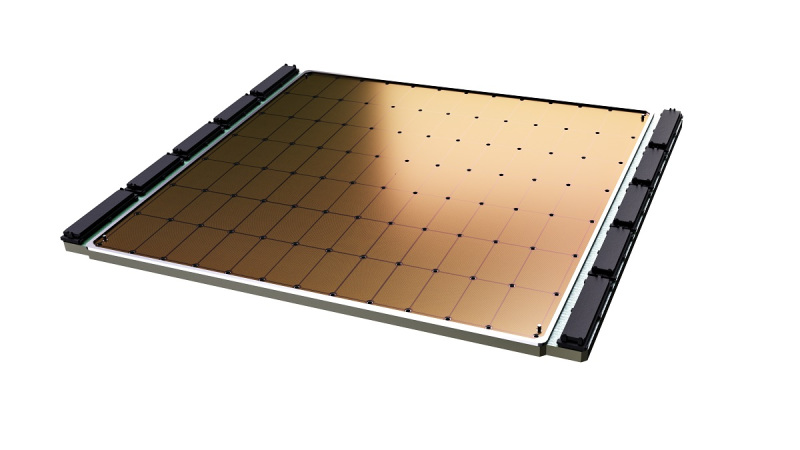
Cerebras makes the world’s largest computer chip, the WSE. Chipmakers normally slice a wafer from a 12-inch-diameter ingot of silicon to process in a chip factory. Once processed, the wafer is sliced into hundreds of separate chips that can be used in electronic hardware.
But Cerebras, started by SeaMicro founder Andrew Feldman, takes that wafer and makes a single, massive chip out of it. Each piece of the chip, dubbed a core, is interconnected in a sophisticated way to other cores. The interconnections are designed to keep all the cores functioning at high speeds so the transistors can work together as one.
Cerebras’s CS-1 system uses the WSE wafer-size chip, which has 1.2 trillion transistors, the basic on-off electronic switches that are the building blocks of silicon chips. Intel’s first 4004 processor in 1971 had 2,300 transistors, and the Nvidia A100 80GB chip, announced yesterday, has 54 billion transistors.
Feldman said in an interview with VentureBeat that the CS-1 was also 200 times faster than the Joule Supercomputer, which is No. 82 on a list of the top 500 supercomputers in the world.
“It shows record-shattering performance,” Feldman said. “It also shows that wafer scale technology has applications beyond AI.”
Above: The Cerebras WSE has 1.2 trillion transistors compared to Nvidia’s largest GPU, the A100 at 54.2 billion transistors.
These are fruits of the radical approach Los Altos, California-based Cerebras has taken, creating a silicon wafer with 400,000 AI cores on it instead of slicing that wafer into individual chips. The unusual design makes it a lot easier to accomplish tasks because the processor and memory are closer to each other and have lots of bandwidth to connect them, Feldman said. The question of how widely applicable the approach is to different computing tasks remains.
A paper based on the results of Cerebras’ work with the federal lab said the CS-1 can deliver performance that is unattainable with any number of central processing units (CPUs) and GPUs, which are both commonly used in supercomputers. (Nvidia’s GPUs are used in 70% of the top supercomputers now). Feldman added that this is true “no matter how large that supercomputer is.”
A new way to deposit thin layers of atoms as a coating onto a substrate material at near room temperatures has been invented at The University of Alabama in Huntsville (UAH), a part of the University of Alabama System.
UAH postdoctoral research associate Dr. Moonhyung Jang got the idea to use an ultrasonic atomization technology to evaporate chemicals used in atomic layer deposition (ALD) while shopping for a home humidifier.
Dr. Jang works in the laboratory of Dr. Yu Lei, an associate professor in the Department of Chemical Engineering. The pair have published a paper on their invention that has been selected as an editor’s pick in the Journal of Vacuum Science & Technology A.
“ALD is a three-dimensional thin film deposition technique that plays an important role in microelectronics manufacturing, in producing items such as central processing units, memory and hard drives,” says Dr. Lei.
Each ALD cycle deposits a layer a few atoms deep. An ALD process repeats the deposition cycle hundreds or thousands of times. The uniformity of the thin films relies on a surface self-limiting reaction between the chemical precursor vapor and the substrates.
“ALD offers exceptional control of nanometer features while depositing materials uniformly on large silicon wafers for high volume manufacturing,” Dr. Lei says. “It is a key technique to produce powerful and small smart devices.”
[…]
“In the past, many reactive chemicals were considered not suitable for ALD because of their low vapor pressure and because they are thermally unstable,” says Dr. Lei. “Our research found that the ultrasonic atomizer technique enabled evaporating the reactive chemicals at as low as room temperature.”
The UAH scientists’ ultrasound invention makes it possible to use a wide range of reactive chemicals that are thermally unstable and not suitable for direct heating.
“Ultrasonic atomization, as developed by our research group, supplies low vapor pressure precursors because the evaporation of precursors was made through ultrasonic vibrating of the module,” Dr. Lei says.
“Like the household humidifier, ultrasonic atomization generates a mist consisting of saturated vapor and micro-sized droplets,” he says. “The micro-sized droplets continuously evaporate when the mist is delivered to the substrates by a carrier gas.”
The process uses a piezo-electric ultrasonic transducer placed in a liquid chemical precursor. Once started, the transducer starts to vibrate a few hundred thousand times per second and generates a mist of the chemical precursor. The small liquid droplets in the mist are quickly evaporated in the gas manifold under vacuum and mild heat treatment, leaving behind an even coat of the deposition material.
eBay is taking on Amazon Warehouse with a new destination called Certified Refurbished, selling used goods from brands like Lenovo, Microsoft and Makita. The idea is that you can buy second-hand products at significant discounts over new, but still get a two-year warranty (from Allstate), a money-back guarantee and 30-day “hassle-free” returns, along with new accessories, manuals and manufacturer-sealed packaging.
eBay’s Certified Refurbished has five priority categories: laptops, portable audio,power tools, small kitchen appliances and vacuums. It offers several brand exclusives, including De’Longhi, Dirt Devil, Hoover, Makita and Philips, along with inventory exclusives from Dewalt, iRobot and Skullcandy. It’s also selling products from participating brands including Dell, Acer, Bissel, Black & Decker, Cuisinart, KitchenAid, Lenovo, Microsoft, Miele and Sennheiser.
To make the cut, manufacturers must offer items in “pristine, like-new condition that has been professionally inspected, cleaned, and refurbished by the manufacturer, or a manufacturer-approved vendor,” according to eBay. It also must be in new packaging with original or new accessories.
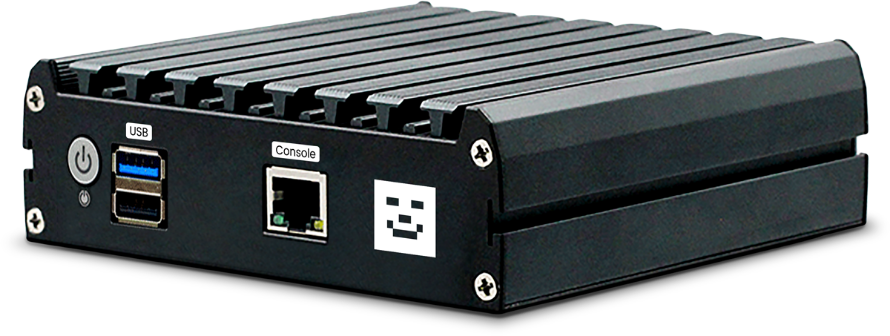
FreedomFi Gateway is the easiest path towards your open source Private LTE or 5G network. Be it for Fixed Wireless Access, Enterprise Cellular or Mobile Broadband, just plug in any commodity small cell into a FreedomFi Gateway and start managing your private cellular network via a SaaS-hosted portal. Project sponsorship options start at $300.
Private Celluar Easy as 1-2-3
Buy your LTE small cell from any commodity vendor
2. Connect your LTE radio(s) to FreedomFi Gateway
3. Start managing your network via a SaaS portal. All software included and we’ll even provide sim cards and spectrum
Software underpinning everything we build at FreedomFi is open source, based on project Magma. Our work is supported by Telecom Infra Project, Open Air Interface Alliance and OpenStack Foundation. Help us ensure that the future of 5G is open by joining and contributing.
Tokyo’s Stock Exchange (TSE) went offline for most of Thursday, its longest-ever outage and a very unwelcome one as it is the world’s third-largest bourse, when measured by market capitalisation.
The exchange yesterday morning posted news that “a technical glitch occurred to distribution of market data,” and the market therefore stopped all trading. Later in the day the bourse also took down its after-hours trading platform, ToSTNeT, and then issued warnings that some market data distributed to investors was invalid.
The exchange explained the cause of the outage in a statement that said it experienced “hardware failure,” followed by a failure-to-failover.
The statement continued: “the switchover from the failed device to the backup device did not work properly, and as a result, market information could not be distributed.”
Which sounds very like someone hasn’t run a disaster recovery simulation for a while.
While the exchange thought it could replace the hardware and resume trading, doing so would have required a reboot that it felt “would cause confusion for investors and market participants, which would make it difficult to execute smooth trading.”
After talks with stakeholders, it was decided to just give up on the day and resume on Friday. At the time of writing – a few minutes after Friday’s opening bell – that plan appears to have worked.
The exchange has apologised for the outage, and taken responsibility for the situation, and also made it plain that mess was the result of its own mistakes and key technology provider Fujitsu was not at fault.
Fujitsu promotes TSE’s use of “approximately 200” of its Primergy servers and the Primesoft in-memory data management software.
That combo can apparently handle 100 million orders a day, at a rate of 1.4 million order-per-minute, all with transaction time of 300 microseconds apiece. Well, sometimes.
Fujitsu has reportedly apologised for its role in the outage.
The exchange continues to do so at every opportunity, with its notification that it expects normal trading today ending with: “We would like to express our sincerest apologies for the inconvenience caused by the system failure of Tokyo Stock Exchange, and we would like to ask for your continued support and cooperation in the operation of the market.”
We are living in a golden age of flight and space simulation, with Flight Simulator, Star Wars Squadrons just out and Elite Dangerous and No Mans Sky fully established and finally Star Citizen playable to some degree. This means you can take out that old flight stick and throttle and TrackIR 5 that have been gathering dust for the last ten years and get it working again. Or you can buy a new one, together with a set of VR goggles.
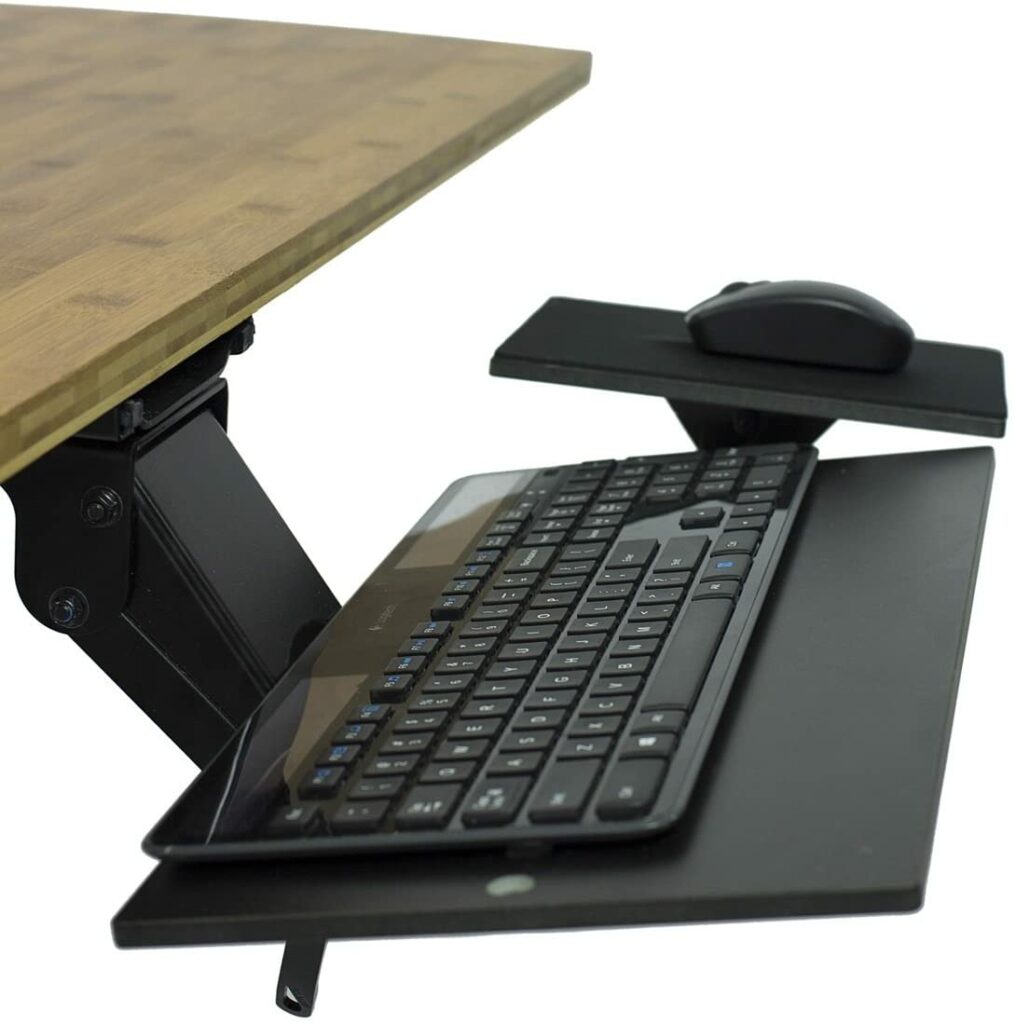
What doesn’t show on the pictures though, is the amount of desk space these things take up and the tangle of wires that comes along with it. Ergonomically, having them on your desk is not the best place to have them as you sit to attention in order the get to them.
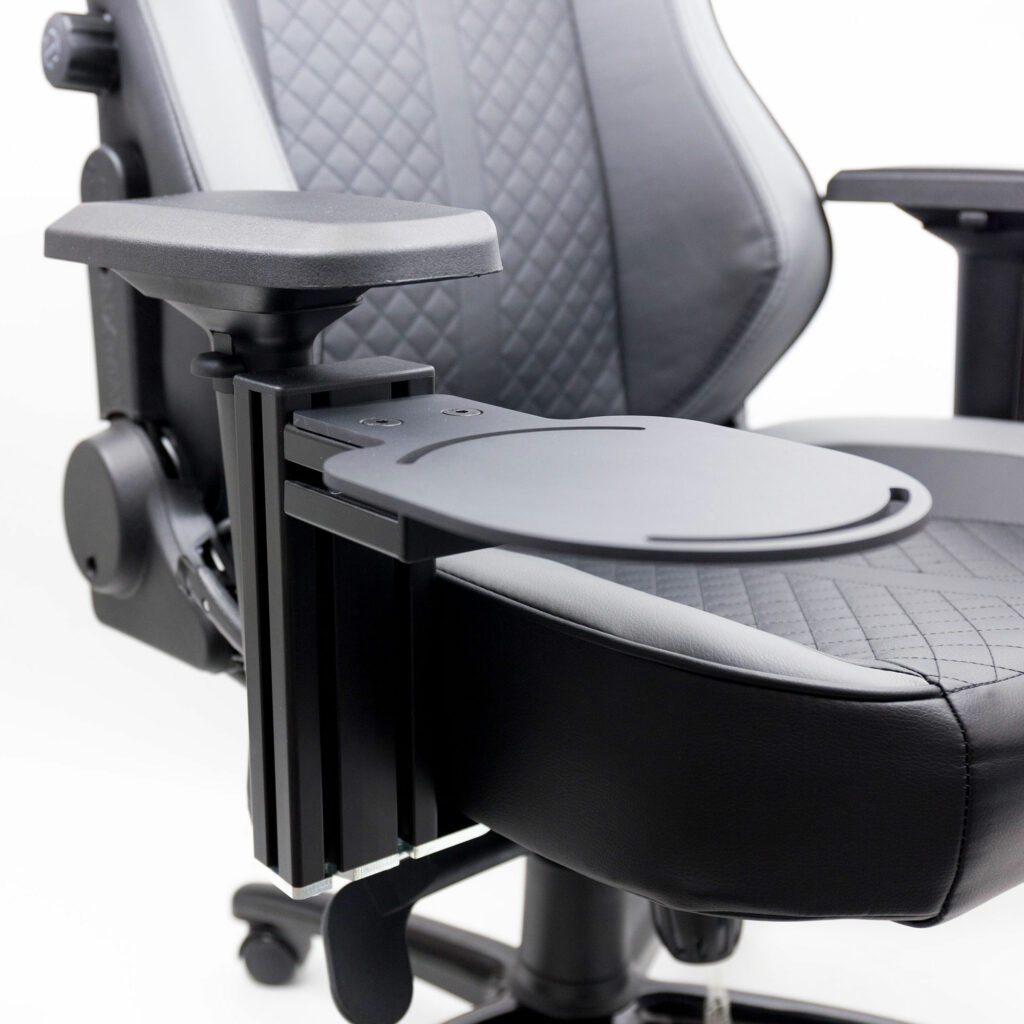
There are basically three philosophies to having a better home HOTAS setup: mounting them on your office chair, mounting them on your table and buying a dedicated chair setup.
Buying a dedicated chair (and not quite going the full cockpit route)
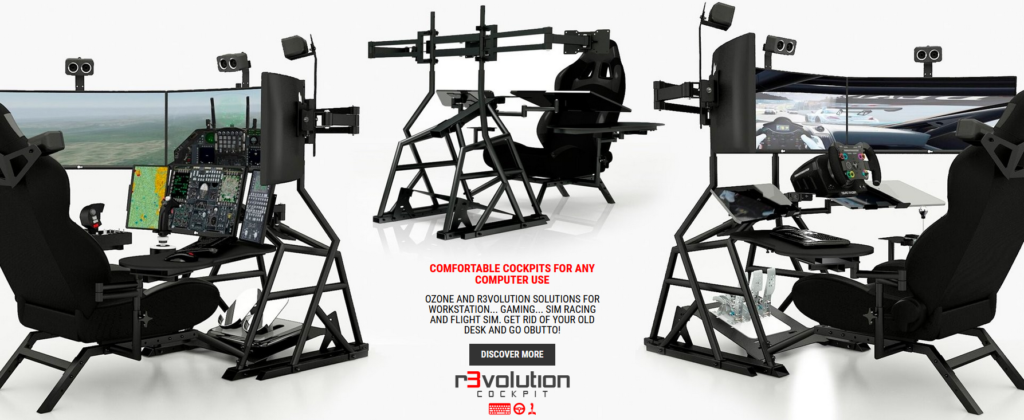
The nicest system I have seen is the Obutto, which is a system of not just chair, keyboard, mouse, joystick and throttle mounts, but also of monitor and speaker mounts. Expect to start at around EUR 900.
Wolf Hardware has blue and Red chairs as well as an armrest kit that will set you back around $375,-
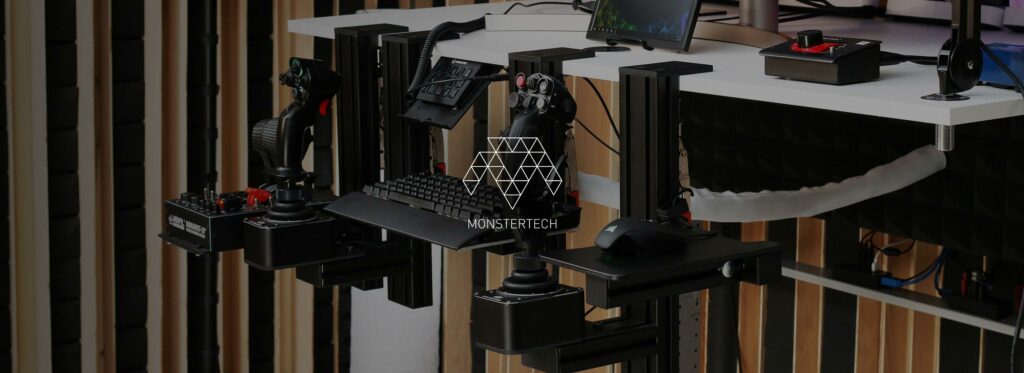
In this category, Monstertech has a stand as well for EUR 255,-
This can be combined with the GT Omega ART Racing Simulator Cockpit RS6 Gaming Console Seat for Logitech G920, G29, G27, G25 Steering Wheel Pedals & Shifter Mount V2 PS4 Xbox One 360 TMX, with Stand & Reclinable for GBP 360,- if you really want to go the cockpit route
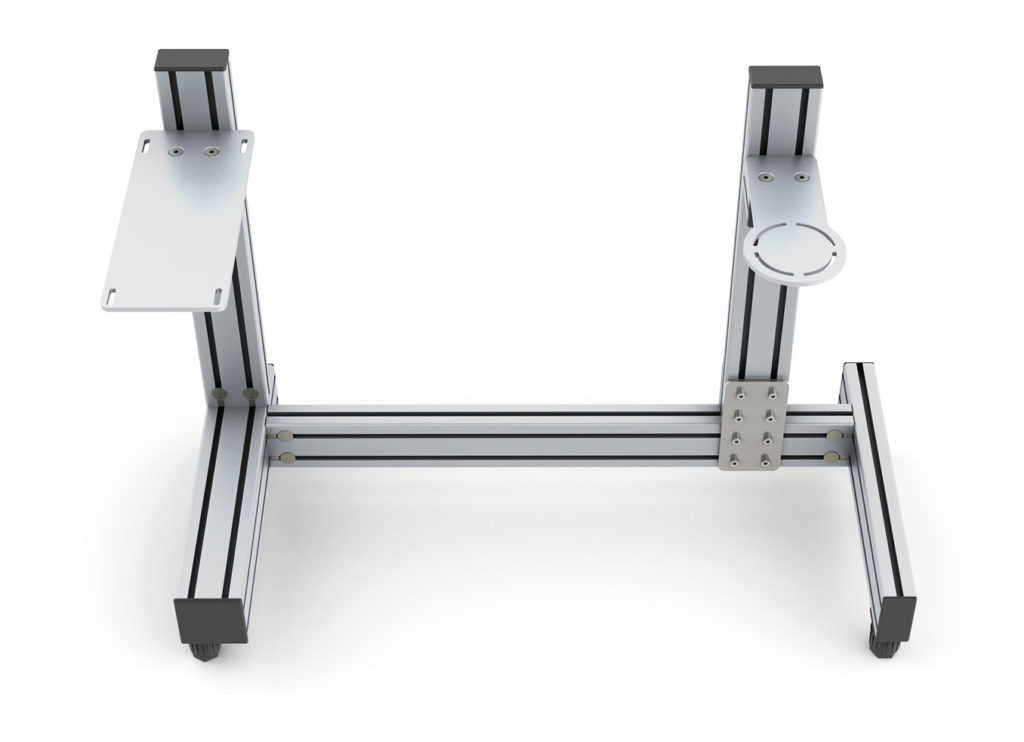
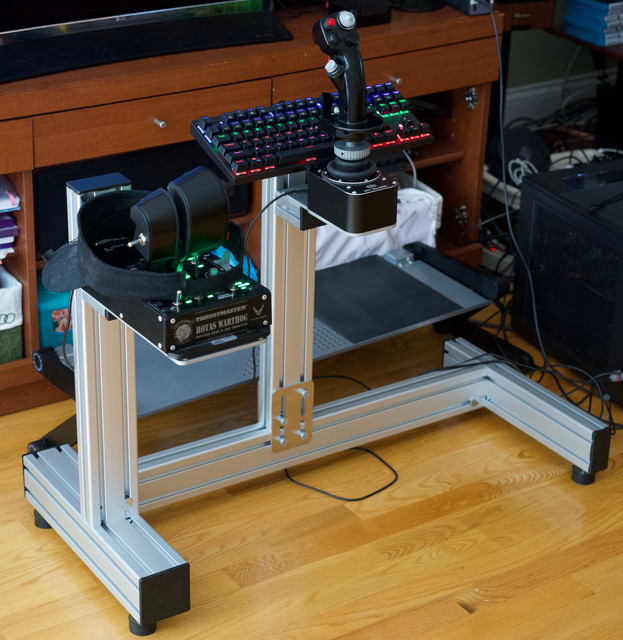
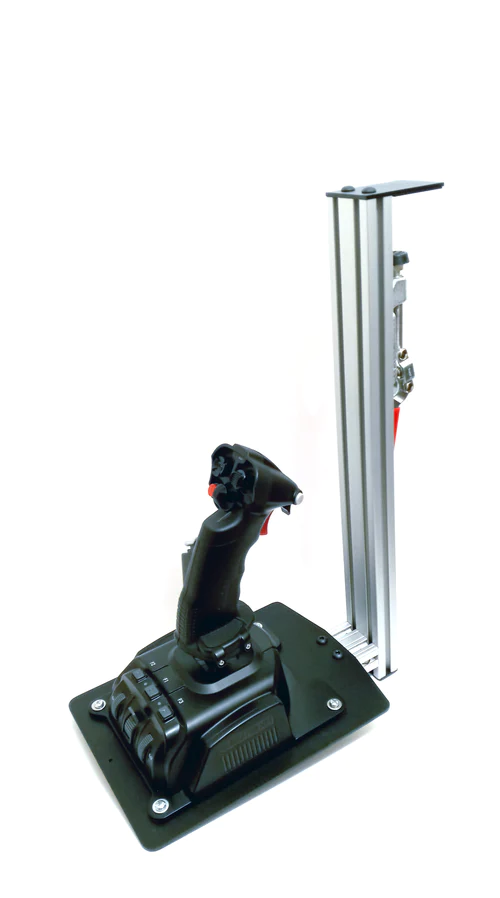
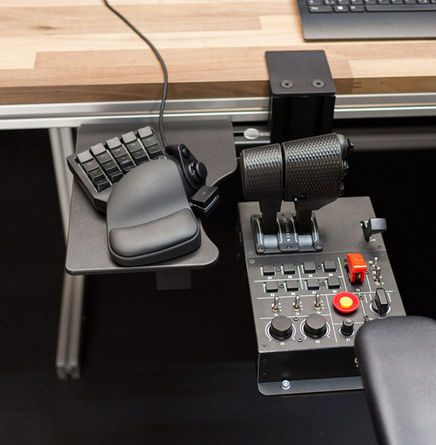
Your stick / throttle manufacturer will sell you under desk mounts but these can be prohibitively large and expensive.
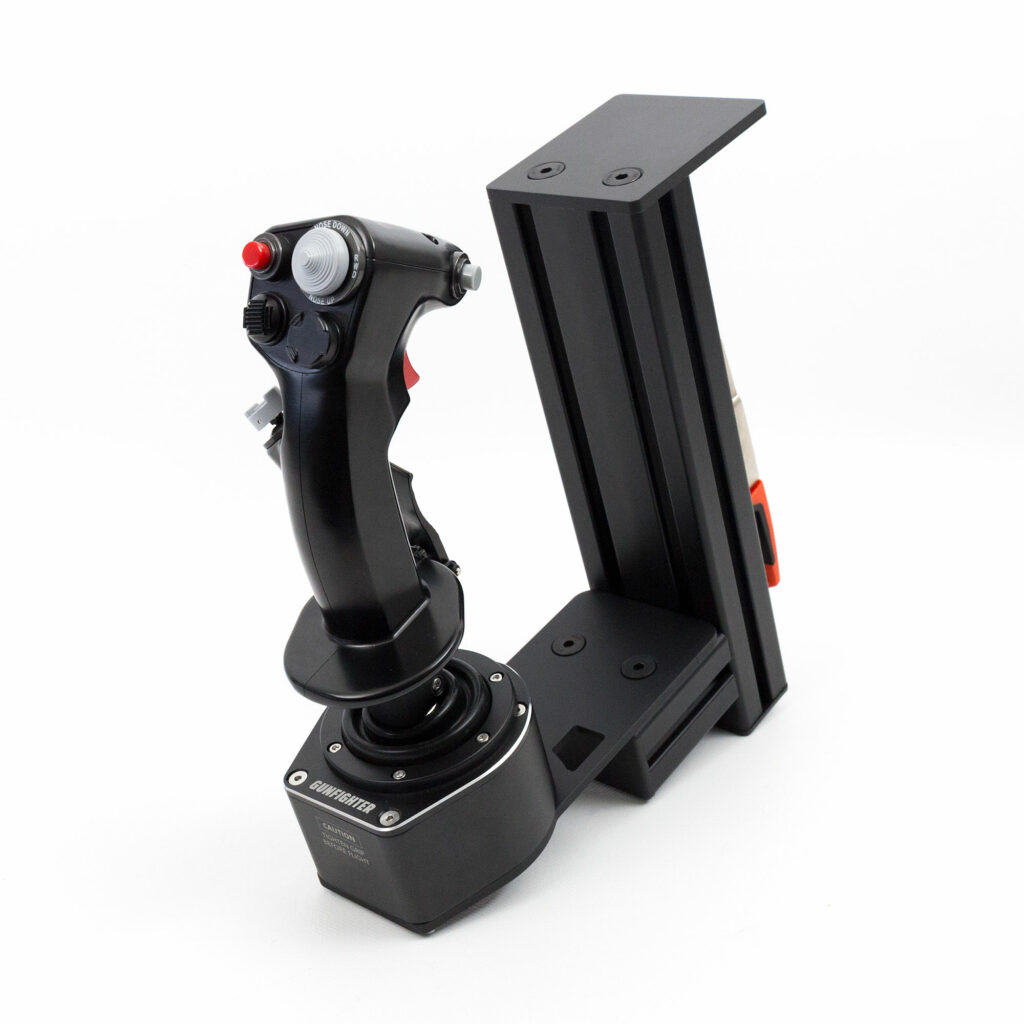
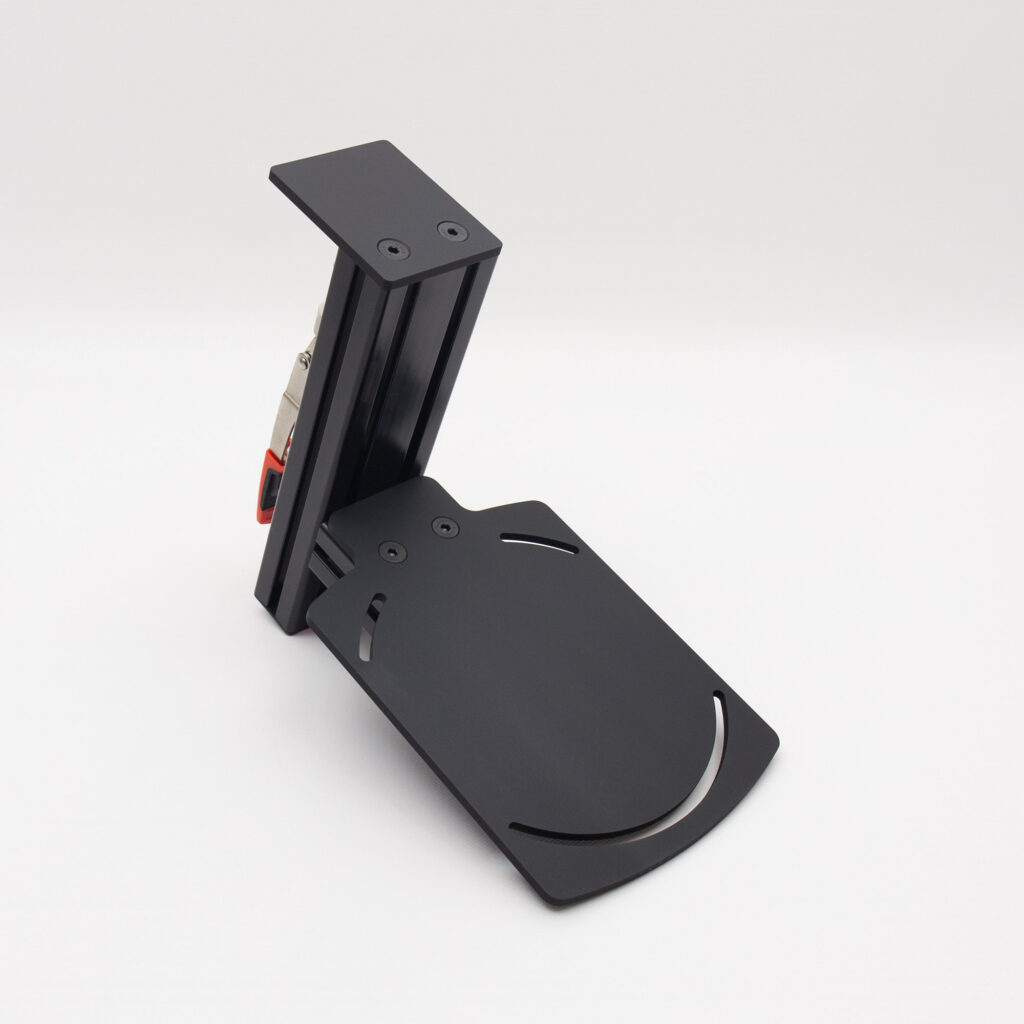
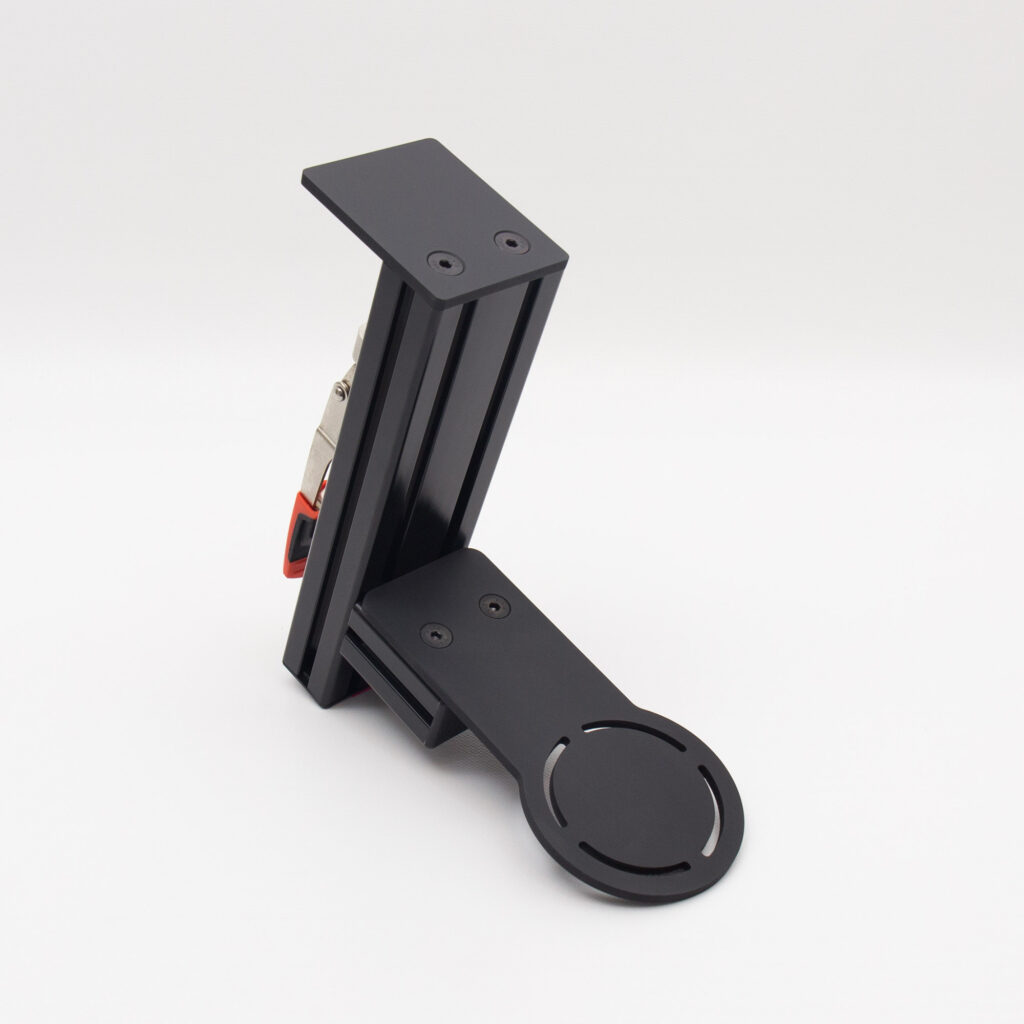
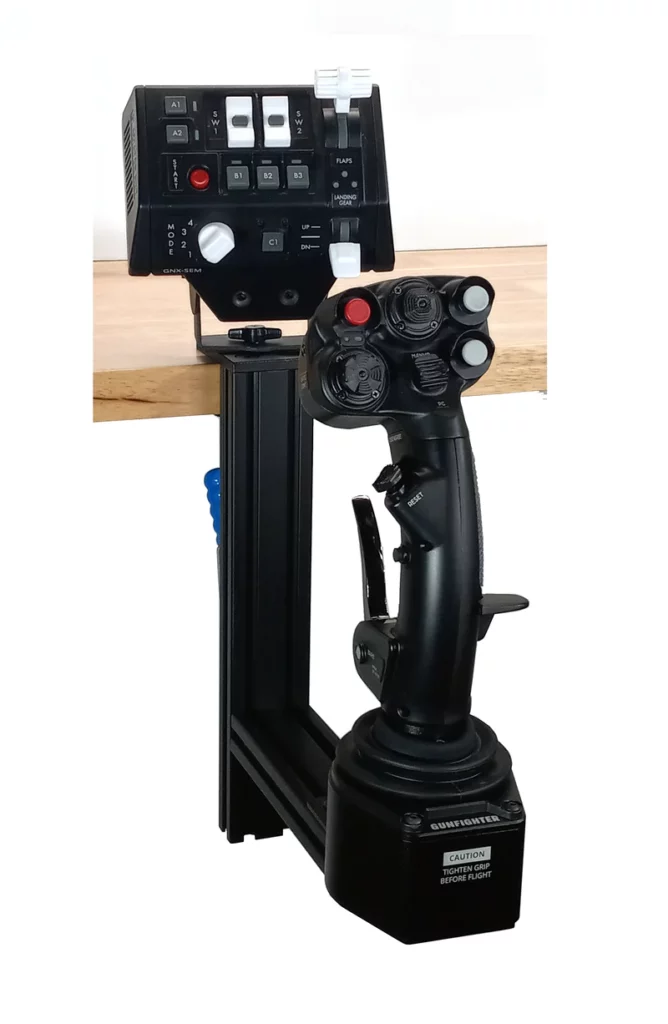
Fortunately there are aftermarket sellers. Undoubtably the main player in this realm is Monstertech. They have attachment arms for your HOTAS but also for your MFD’s and tablets as well as a mount to put up your joystick in the centre position
Their table mounts are sized for the specific joystic / throttle that you have and start at EUR 89,- for silver and EUR 109,- for black.
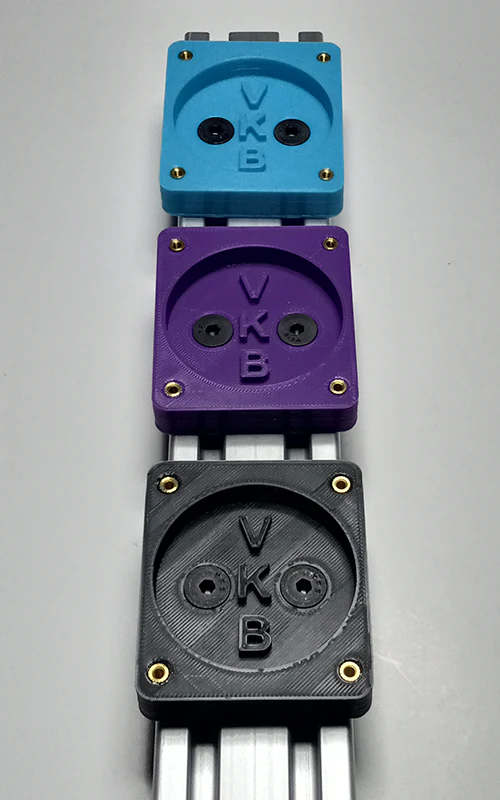
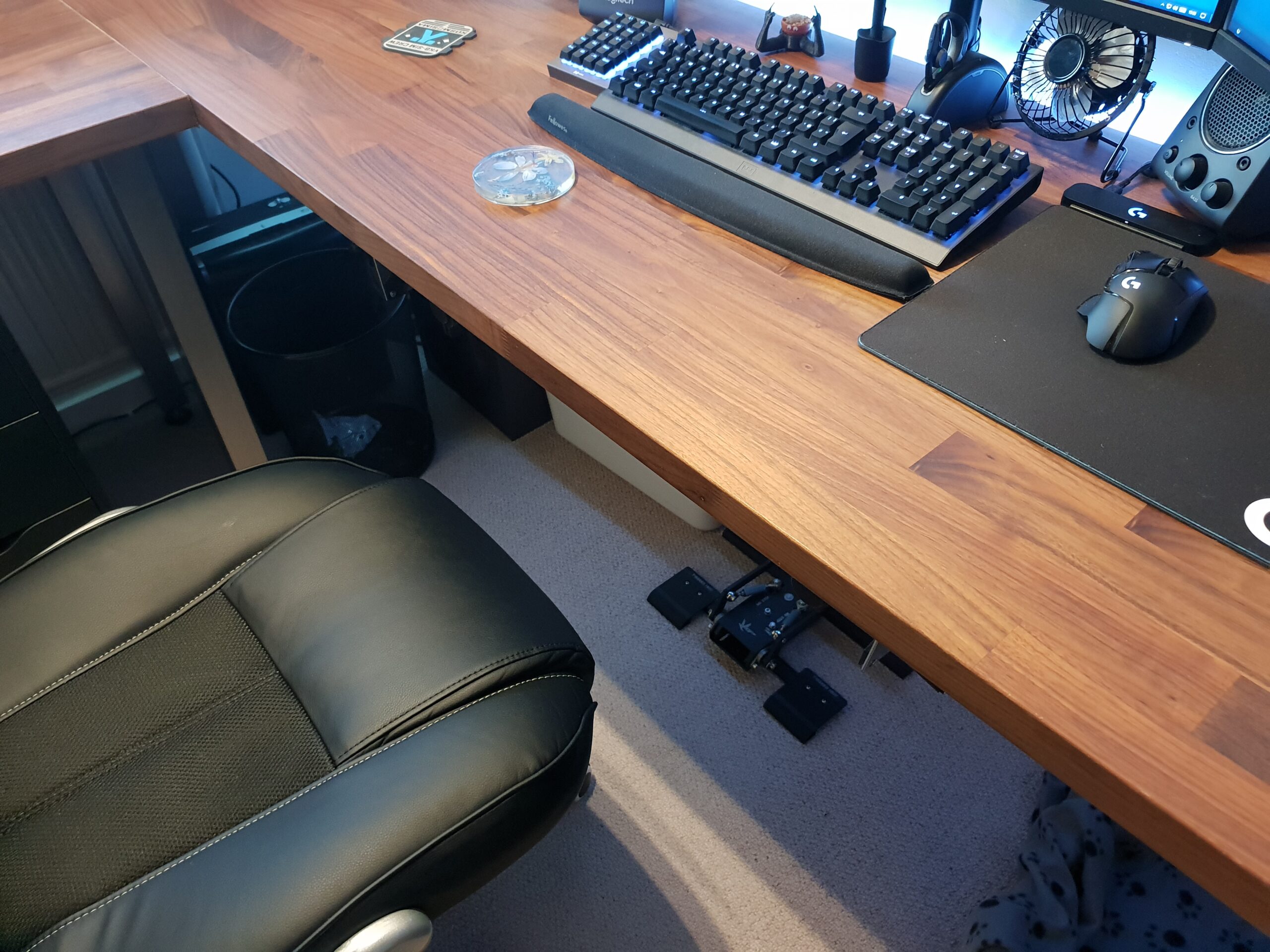
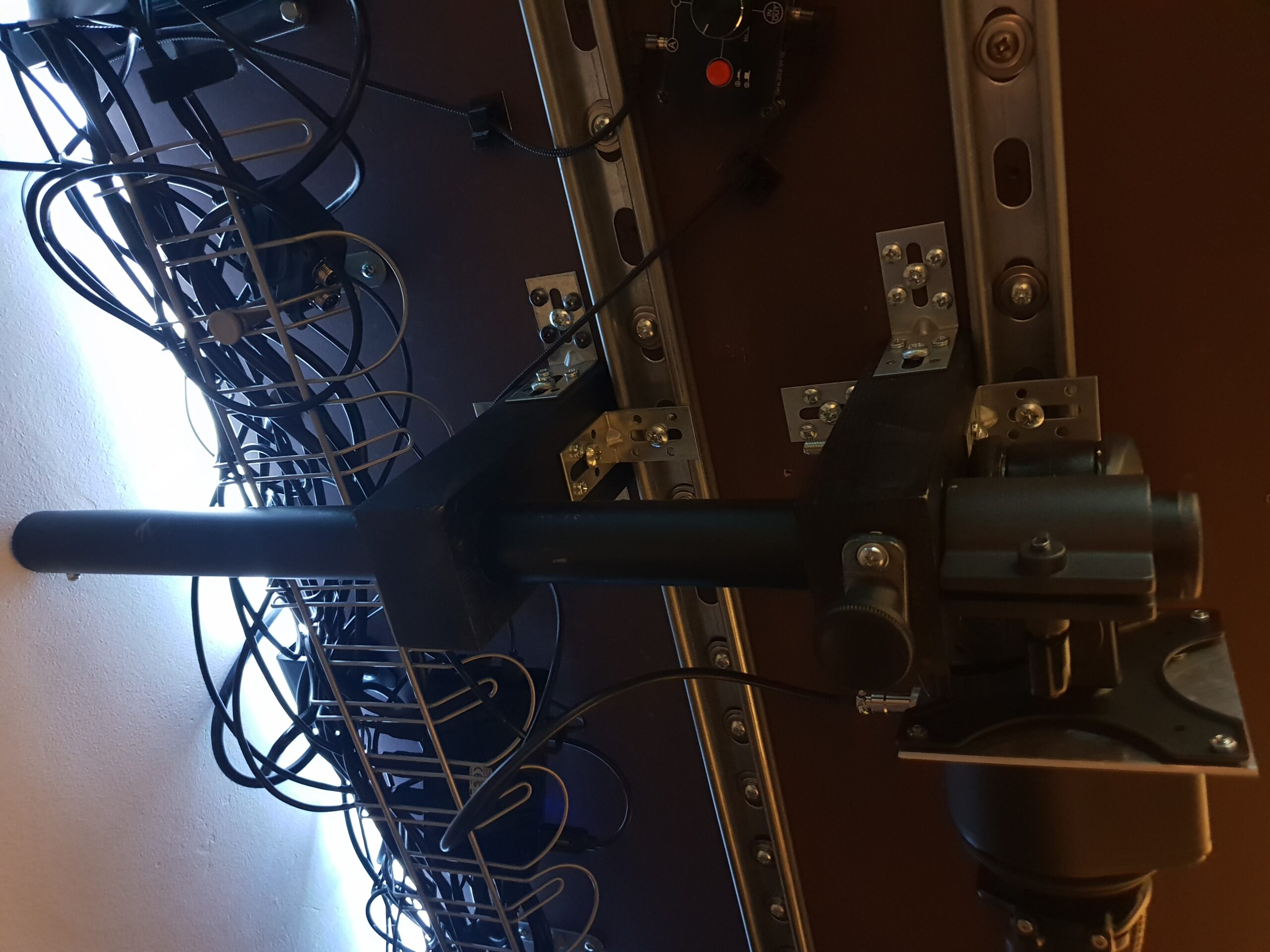
Predator mounts offers a selection of very solid desk mounts with accessories in both silver and black. Plates are ordered custom to the jostick model. They will also sell accessories such as cable clips to keep your cabling nice, as well as an attachment plate for the VKB hanging box (in different colours), so that can be neatly clipped to the back of the mount. To unclip these you push downwards, so you knee won’t accidentally bang into them and assembly is very easy. Edit: Sadly, Predator Mounts has gone into receivership. Do not send money that way any more.
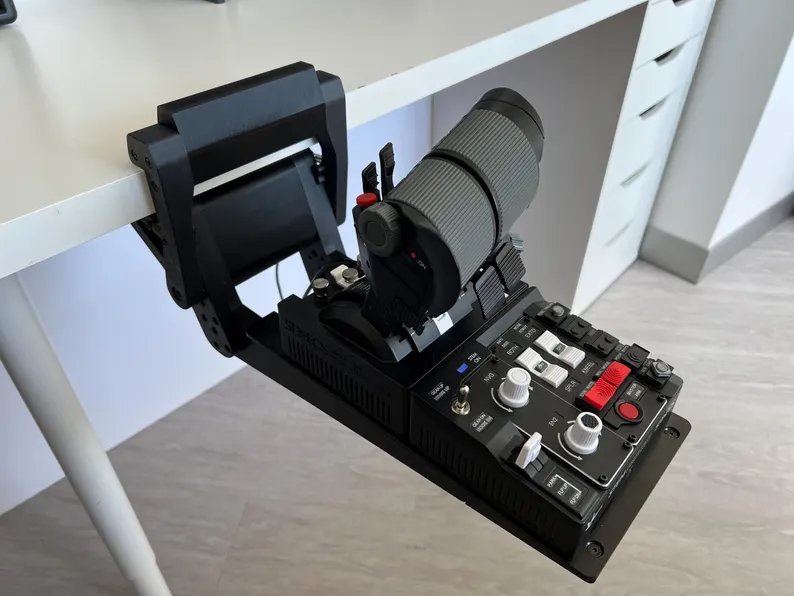
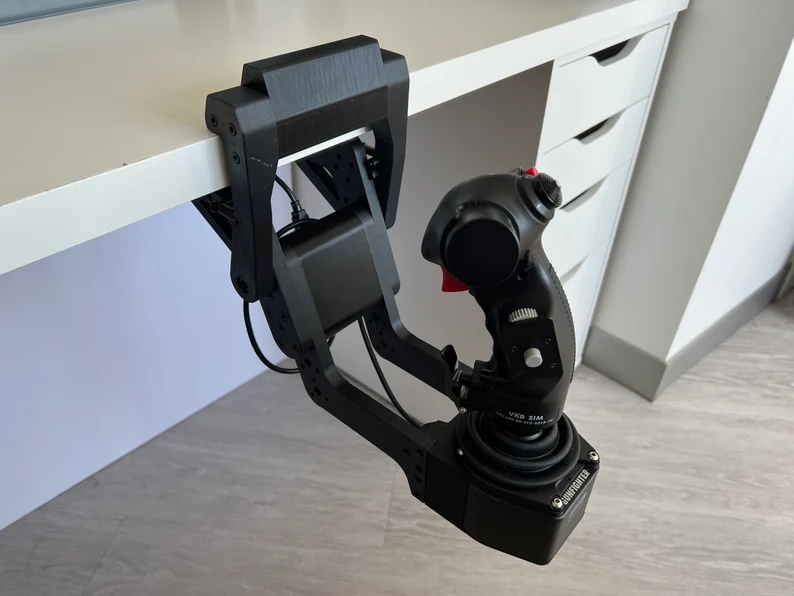
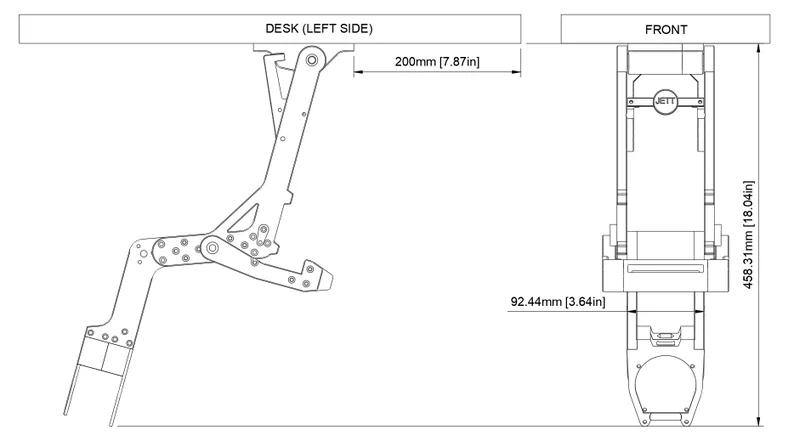
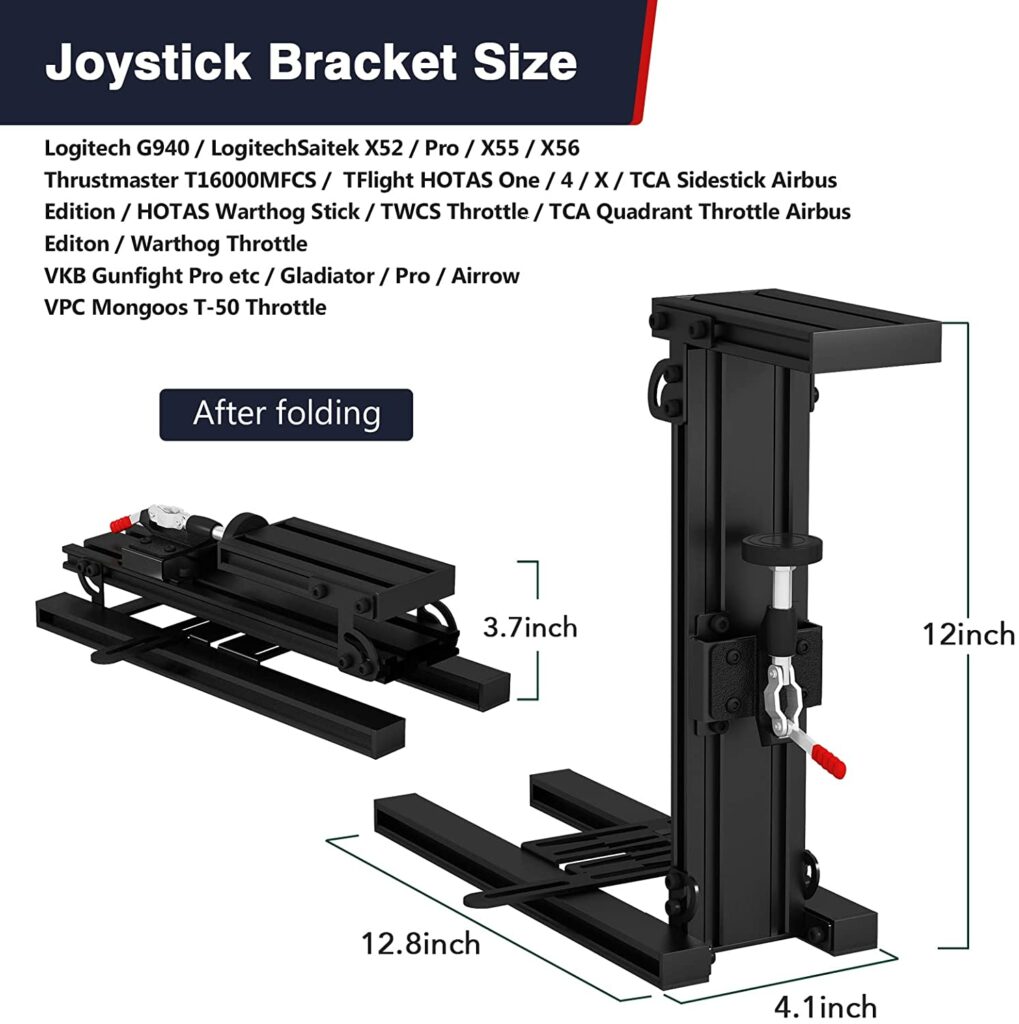
A new player to the game is AlphaBravoTango who offers Stowaway Mounts. These fold away easily under your desk when you are not using them. They are metal where it counts and 3d printed covers. The maker has a reddit thread here and you can buy them on Etsy.
AliExpress has similar mounts going for EUR 50,- a piece though that come with a mousepad
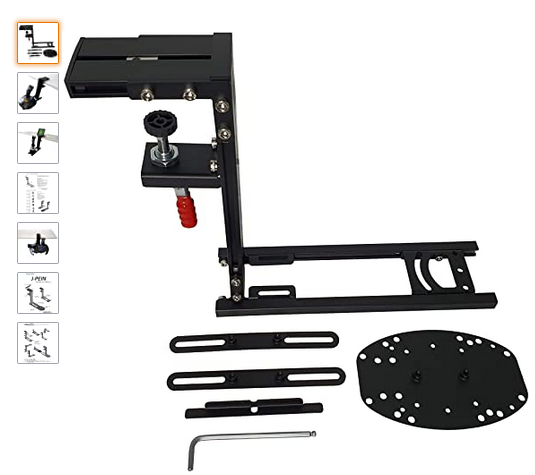
J-PEIN costs around $90 and is supposed to be solid too
There’s a company called Foxxmount which makes mounts that look a lot like the old Predator ones.
Amazon US has the J-PEIN (upgraded) desk mount for $70,-. This is the goto Korean cheaper version. These come with a lot of bolts.
Hikig is another manufacturer that looks like J-PEIN selling for around EUR 80,- on Amazon.
MEZA has a set of two mounts for $179,99 at Amazon, which look a lot like the J-PEIN. You can find the Meza website here. These come with a lot of bolts.
THTL-1v2 Stowable Fold-Away HOTAS Throttle Mount (Qty 1)
€164.12
Reddit user Sessine has an excellent writeup of a DIY HOTAS under desk folding attachment system which can be stowed away easily
Reddit User dlongwing has an alternate method of having a foldaway HOTAS rig under his desk
SciMonster has created a Thingiverse rail which you can 3D print yourself and allows you to slide the hotas to the sides and lock the joystick to the right and in the centre
Mount your Virpil Throttle and Stick to linear rails so you can slide them along your desk. This allows you to move your HOTAS aside when you use the computer for other work. When flying your aircraft or spaceship, a spring-loaded locking meachanism holds your HOTAS securely in place.
An adapter plate for Virpil Flightsticks (VPC WarBRD Base) is included (with and without a mounting option for the 15 button Elgato Stream Deck (MK.1). MongoosT Base untested.
For around GBP 55 you can buy a generic table bolting system from Amazon
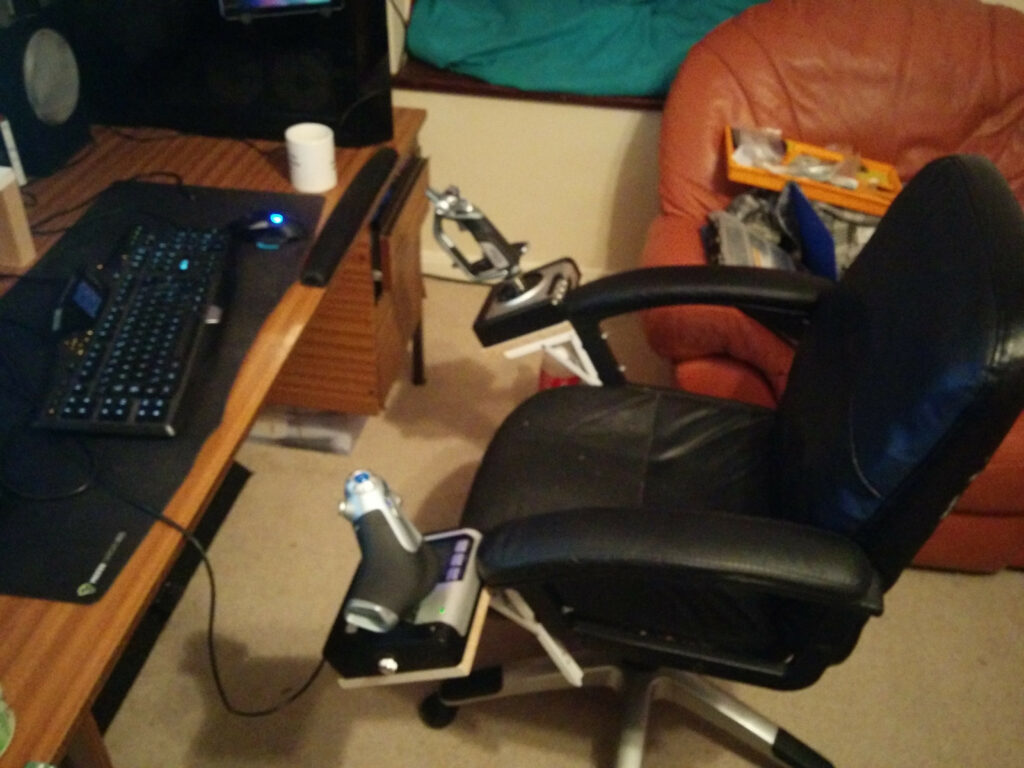
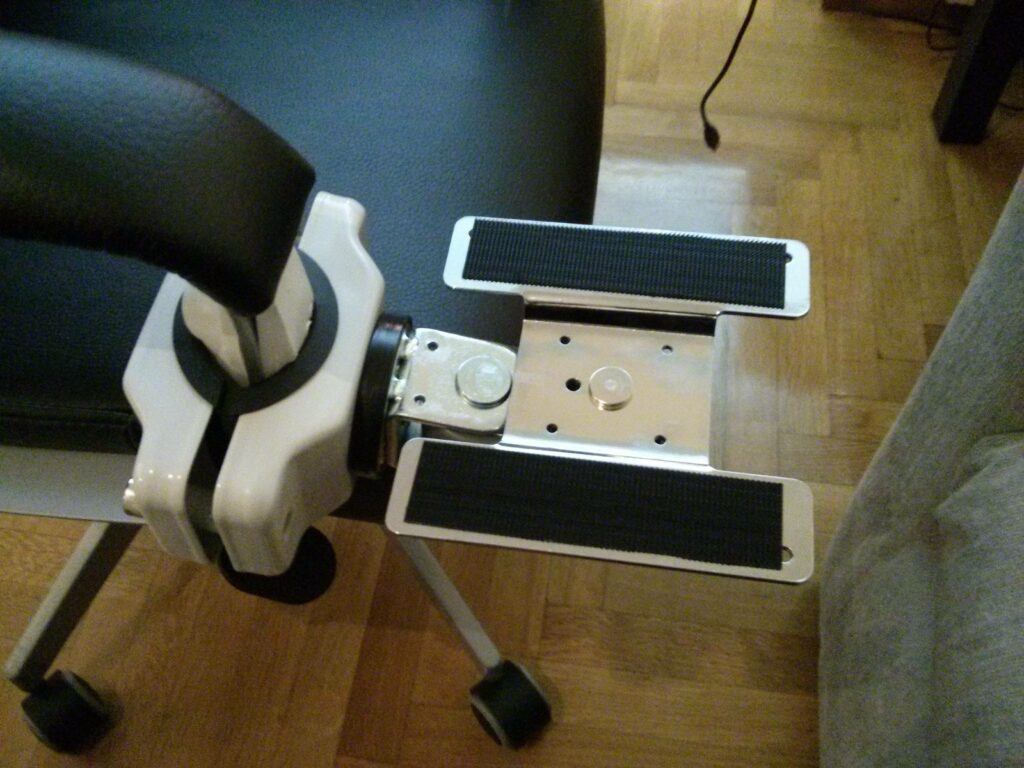
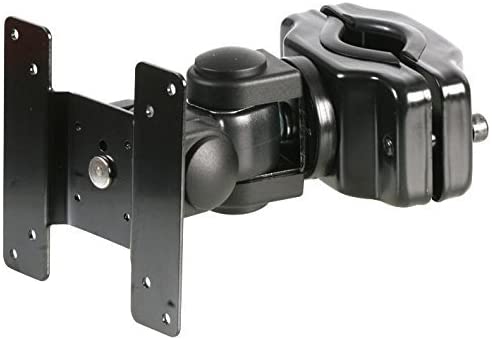
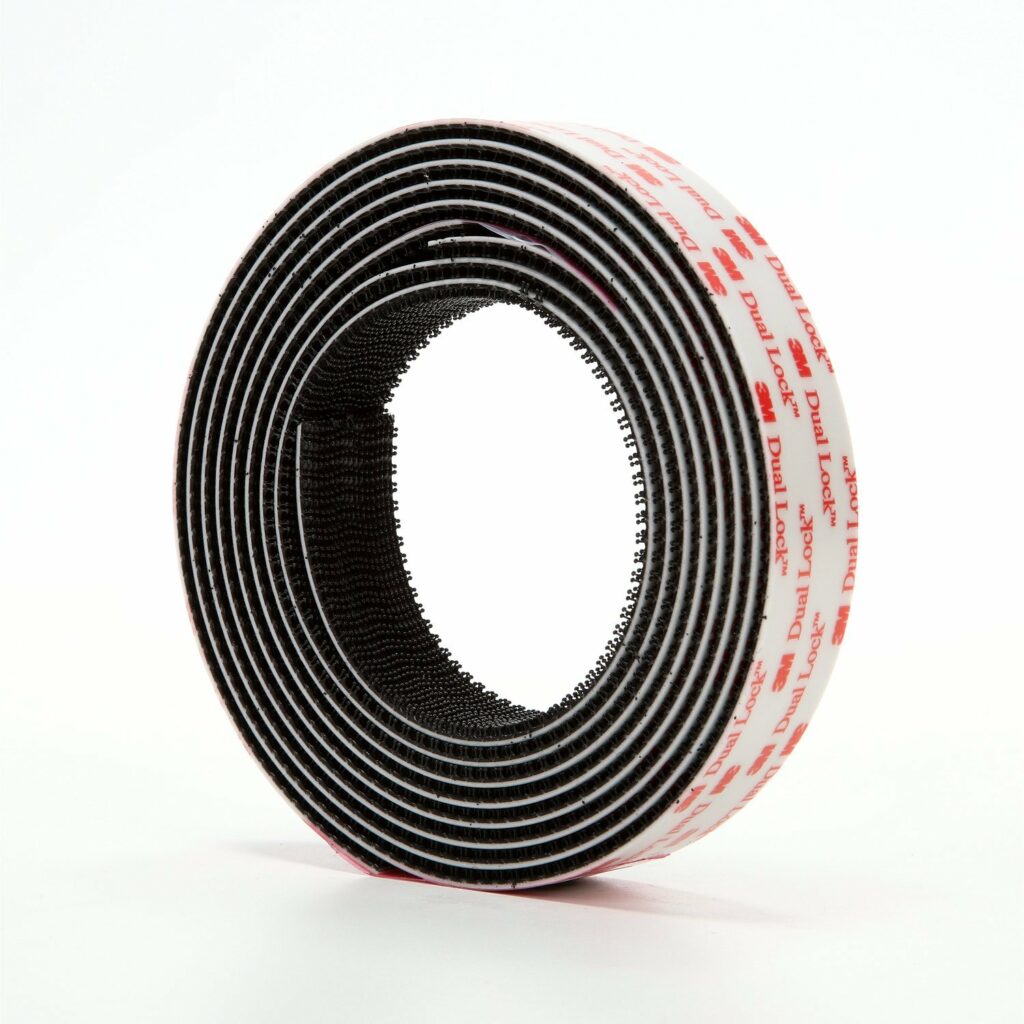
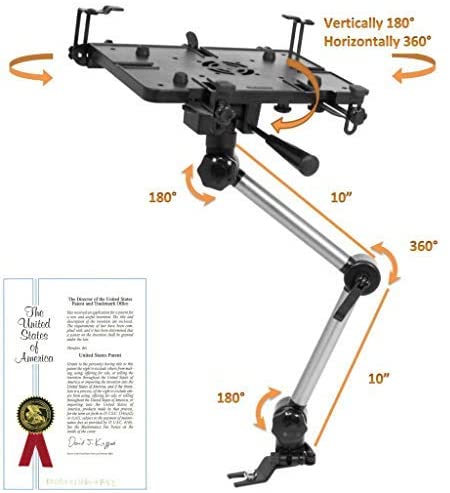
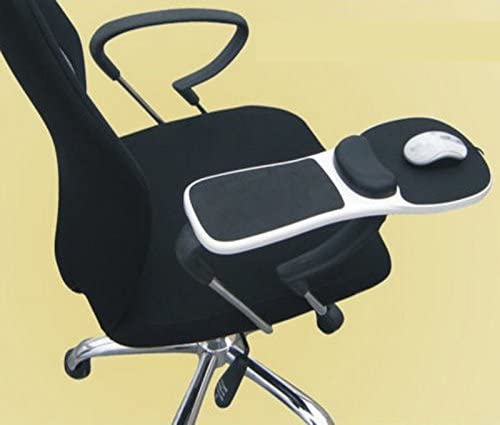
Attaching your throttle and stick to your chair
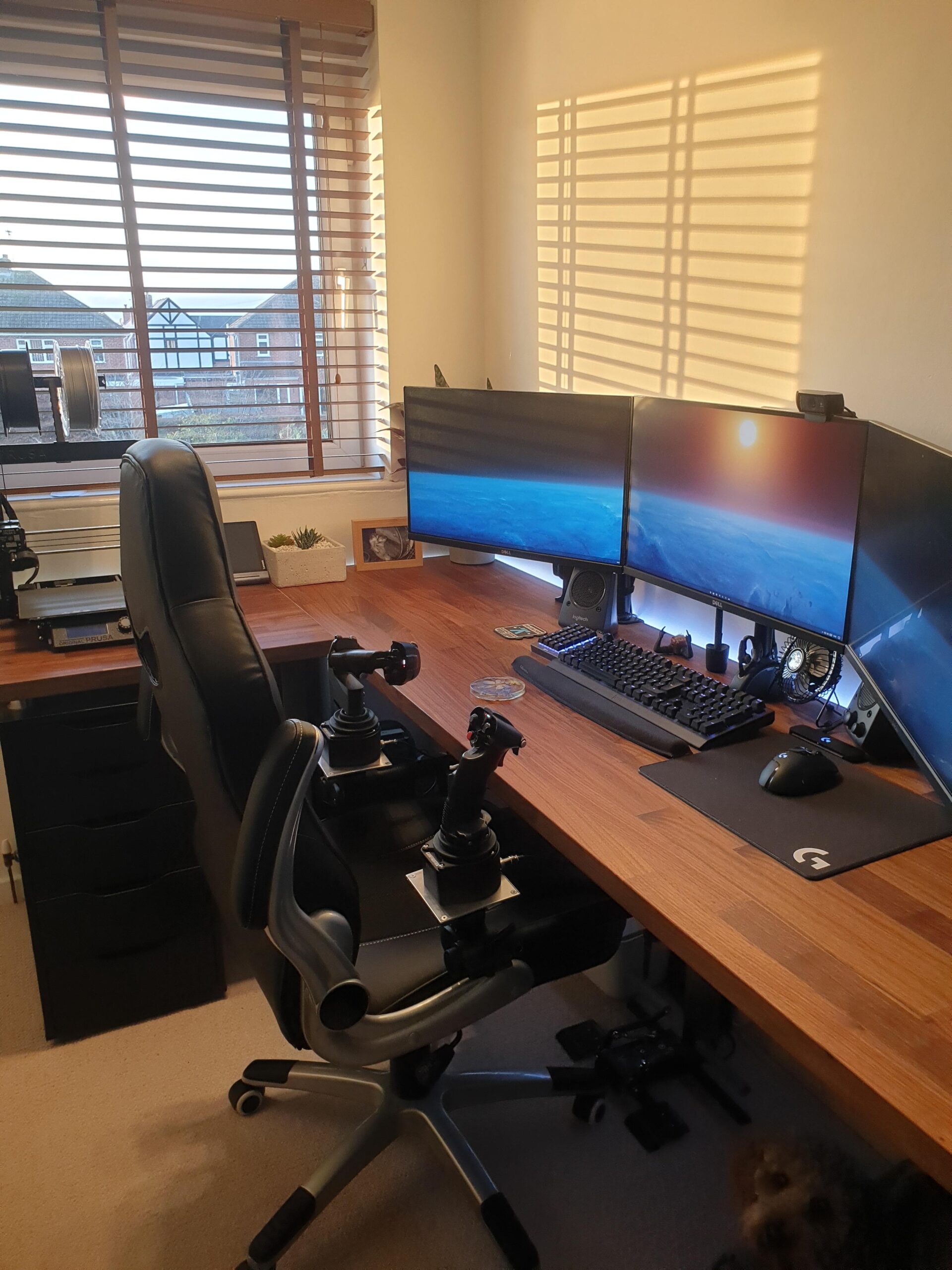
This is the cheapest route which you can do with a fair amount easy of DIY. Although it’s ergonomically very comfortable, the downside, however, is that the wiring moves with your chair and you will always be in a tangle of wires all over the place.
Transistors based on carbon rather than silicon could potentially boost computers’ speed and cut their power consumption more than a thousandfold — think of a mobile phone that holds its charge for months — but the set of tools needed to build working carbon circuits has remained incomplete until now.
A team of chemists and physicists at the University of California, Berkeley, has finally created the last tool in the toolbox, a metallic wire made entirely of carbon, setting the stage for a ramp-up in research to build carbon-based transistors and, ultimately, computers.
“Staying within the same material, within the realm of carbon-based materials, is what brings this technology together now,” said Felix Fischer, UC Berkeley professor of chemistry, noting that the ability to make all circuit elements from the same material makes fabrication easier. “That has been one of the key things that has been missing in the big picture of an all-carbon-based integrated circuit architecture.”
[…]
“Nanoribbons allow us to chemically access a wide range of structures using bottom-up fabrication, something not yet possible with nanotubes,” Crommie said. “This has allowed us to basically stitch electrons together to create a metallic nanoribbon, something not done before. This is one of the grand challenges in the area of graphene nanoribbon technology and why we are so excited about it.”
Metallic graphene nanoribbons — which feature a wide, partially-filled electronic band characteristic of metals — should be comparable in conductance to 2D graphene itself.
“We think that the metallic wires are really a breakthrough; it is the first time that we can intentionally create an ultra-narrow metallic conductor — a good, intrinsic conductor — out of carbon-based materials, without the need for external doping,” Fischer added.
Crommie, Fischer and their colleagues at UC Berkeley and Lawrence Berkeley National Laboratory (Berkeley Lab) will publish their findings in the Sept. 25 issue of the journal Science.
[…]
Several years ago, Fischer and Crommie teamed up with theoretical materials scientist Steven Louie, a UC Berkeley professor of physics, to discover new ways of connecting small lengths of nanoribbon to reliably create the full gamut of conducting properties.
Two years ago, the team demonstrated that by connecting short segments of nanoribbon in the right way, electrons in each segment could be arranged to create a new topological state — a special quantum wave function — leading to tunable semiconducting properties.
In the new work, they use a similar technique to stitch together short segments of nanoribbons to create a conducting metal wire tens of nanometers long and barely a nanometer wide.
The nanoribbons were created chemically and imaged on very flat surfaces using a scanning tunneling microscope. Simple heat was used to induce the molecules to chemically react and join together in just the right way. Fischer compares the assembly of daisy-chained building blocks to a set of Legos, but Legos designed to fit at the atomic scale.
“They are all precisely engineered so that there is only one way they can fit together. It’s as if you take a bag of Legos, and you shake it, and out comes a fully assembled car,” he said. “That is the magic of controlling the self-assembly with chemistry.”
Once assembled, the new nanoribbon’s electronic state was a metal — just as Louie predicted — with each segment contributing a single conducting electron.
The final breakthrough can be attributed to a minute change in the nanoribbon structure.
“Using chemistry, we created a tiny change, a change in just one chemical bond per about every 100 atoms, but which increased the metallicity of the nanoribbon by a factor of 20, and that is important, from a practical point of view, to make this a good metal,” Crommie said.
The two researchers are working with electrical engineers at UC Berkeley to assemble their toolbox of semiconducting, insulating and metallic graphene nanoribbons into working transistors.
“I believe this technology will revolutionize how we build integrated circuits in the future,” Fischer said. “It should take us a big step up from the best performance that can be expected from silicon right now. We now have a path to access faster switching speeds at much lower power consumption. That is what is driving the push toward a carbon-based electronics semiconductor industry in the future.”
Samsung may have first made an ECG-capable smartwatch with the Galaxy Watch Active2, but it wasn’t until earlier this summer that it actually got clearance from the U.S. Food and Drug Administration to enable the medical-grade feature. That announcement came in dramatic fashion at its Unpacked event in August, where the company unveiled yet another ECG-capable smartwatch, the excellent Galaxy Watch 3. Still, even with clearance, we didn’t know exactly when the ECG feature would be available on either watch. Well, the answer is today.
“Beginning September 23, users will have access to yet another next-generation feature, as on-demand electrocardiogram (ECG) readings come to Galaxy Watch 3 and Galaxy Watch Active2,” Samsung said in a press statement. “This tool recently received clearance from the U.S. Food and Drug Administration (FDA) and will soon be available through the Samsung Health Monitor app when connected to a compatible Galaxy smartphone.”
It appears that Samsung’s ECG app will operate similarly to Apple’s. After opening the Samsung Health Monitor app, you’ll be advised to put your arm on a flat surface and place your finger on the top button. The watch will identify you as having either a normal Sinus Rhythm or atrial fibrillation. Once the reading is done, you can log symptoms like dizziness or fatigue. (Atrial fibrillation is often unaccompanied by symptoms.) You’ll also be able to send a PDF report to your healthcare provider.
The catch here is that, at least for now, the ECG app will only be available on Samsung Galaxy phones with Android Nougat or higher—meaning, if you have one of these watches paired to a non-Samsung Android phone or an iPhone, you’re out of luck. That’s only sort of surprising. While Samsung’s smartwatches are among the best currently available for Android users, Samsung is like Apple in that it likes to push its own ecosystem. As a result, some features are only available to Samsung phone owners. It looks like, for the time being, ECG is one of them.
Image: Samsung
Gizmodo reached out to Samsung to see if this feature might eventually make its way to non-Samsung Android phones. In response, a Samsung spokesperson said, “We’re always looking to address consumer feedback, however we cannot speak to additional phone compatibility outside of Galaxy smartphones at this time.”
While it’s great that Samsung’s ECG app is finally here, it is majorly disappointing that not all Android users will be able to access it. That means currently, in the U.S. only Apple and Samsung smartwatch owners have access to any sort of on-the-wrist ECG. The Galaxy Watch 3 felt like a real win for all Android users, but leaving non-Samsung Android users out of this update takes the shine off that a bit. Hopefully, Samsung will fix that going forward.
For non-Samsung Android users, the only FDA-cleared ECG smartwatch is the newly launched Fitbit Sense. However, Fitbit only just got clearance, meaning the ECG feature on the Sense is not live yet. You’ll have to wait until next month before it’s available. The good news is that Fitbit is platform-agnostic. Provided that there aren’t any delays, this means you’ll have at least one FDA-cleared ECG smartwatch option, regardless of what phone you use.
In 2015, German sportswear manufacturer Adidas acquired a plucky Austrian IoT startup called Runtastic, which, among other things, manufactured a $129.99 “smart” scale called Libra. Now that product is being discontinued, preventing owners from synchronising their data or even downloading the app required to use it.
In a post published yesterday, Adidas announced the discontinuation of key functionality from the Libra smart scale.
“We wanted to let you know that we’ve decided to stop supporting the Libra app. This means that we’ve taken the app off the market and that login won’t work anymore,” the company said. “A login and the synchronisation of your weight data from the Libra scale is no longer possible.”
Owners can still see how much timber they’ve put on during lockdown by glancing at the Libra’s LCD screen, much like they could with an ordinary £10 scale from Tesco. However, the core functionality that initially attracted them to the product is long gone.
While the Libra app is no longer searchable on the Google Play Store and Apple App Store, those who have previously downloaded it are able to visit its page, where they can still leave “feedback”. Predictably, this has prompted a flood of one-star reviews and furious comments.
El Reg has contacted Adidas for comment.
Users of Libra are not alone in having their expensive IoT kit discontinued after just a few years of ownership.
In April 2016, the servers supporting a smart home hub product called Revolv were shut down, leaving owners unable to control their other Wi-Fi-connected gizmos. This stung for a couple of reasons: firstly, the hub cost £210 and was explicitly sold with a “lifetime subscription”. Secondly, Revolv wasn’t a fledgling startup with tenuous cash flow, but rather a subsidiary of Alphabet – one of the largest and wealthiest companies on the planet.
Another shocking example comes from last year, when Den Automation, a crowdfunding sensation that raised $4.5m in equity crowdfunding for a family of smart plugs and light switches, entered administration. As it found itself unable to pay for server costs, people suddenly found themselves burdened with non-functional and hugely expensive kit.
The assets and intellectual property of Den Automation were subsequently acquired by a previous investor through a new company called Den Switches, which has said it intends to restart the service. It’s not clear when that will happen.
More recently, the Will.i.am-owned startup Wink sent out an email to users of its smart home products demanding they pay for a subscription service in order to continue using their products as the revenue obtained from one-time purchases of its equipment proved insufficient to support long-term maintenance.
The problem with most IoT products isn’t necessarily that they rely on back-end servers to run. It’s that, for the most part, it’s impossible to perceive the trajectory of a given company. Will they be acquired by new owners with aggressive cost-cutting strategies and leaner product roadmaps?
Or will they financially struggle, eventually swirling the toilet basin of insolvency, and leave nothing behind but a bunch of electronic waste and angry one-star app reviews?
A rural village in Wales has been suffering through internet outages and slowdowns for 18 months. The situation baffled technicians until they realized that turning off one man’s TV solved everything.
On Tuesday, U.K.-based broadband provider Openreach explained in a release that every morning, around 7 a.m., residents of the Aberhosan village found themselves experiencing issues connecting to the internet, and when they could log on, loading times slowed to a crawl. According to the provider, engineers were deployed to the area on multiple occasions only to find the network was functioning normally. The company went as far as replacing some cable, but its efforts were fruitless.
Openreach engineer Michael Jones explained that “as a final resort” a team visited the village to test for electrical interference. “By using a device called a Spectrum Analyser we walked up and down the village in the torrential rain at 6 a.m. to see if we could find an ‘electrical noise’ to support our theory,” Jones said. “And at 7 a.m., like clockwork, it happened! Our device picked up a large burst of electrical interference in the village.”
The team was able to trace the signal to a residence and found that the occupant had an aging TV that was producing electrical interference known as SHINE (Single High-level Impulse Noise). The TV’s owner had a habit of switching it on every morning at 7 a.m. as they started their day. “As you can imagine when we pointed this out to the resident, they were mortified that their old second-hand TV was the cause of an entire village’s broadband problems, and they immediately agreed to switch it off and not use again,” Jones said.
Openreach’s network is still on the outdated ADSL Broadband standard with plans to deploy fiber later this year. SHINE is a type of interference that screws with the frequencies that ADSL utilizes. When a device is powered on, a burst of frequencies is emitted that can knock devices offline or cause reduced speeds as a result of line errors. While SHINE is a single event that occurs when turning a device off and on, it can result in DSL circuits failing and losing sync. UK telecom Zen has some tips from identifying SHINE on your own using an AM radio.
Last week, RTX 3080 scalpers pissed off a lot of Nvidia GPU fans by buying up all the graphics cards and attempting to resell them for hundreds of dollars more than the actual MSRP. Unfortunately, this is a common scalper tactic: Buy up as many items of a single product as possible, create a false scarcity, and sell them at a higher price to make a huge profit. People did this at the beginning of the covid-19 pandemic with hand sanitizers and other disinfecting products, and it happens all the time with consoles and PC components, too. Scalpers may have created bots to snatch up all those cards, but it looks like bots aren’t just helping the scalpers. They’re also hurting them.
Now RTX 3080 GPUs are being listed on eBay with bids that exceed $10,000. But those ridiculously high bids might be the result of bots created by fed-up potential buyers. After I wrote about who in the hell would buy a RTX 3080 for $70,000, I quickly received dozens of messages from people pointing me to a post on the Nvidia forums where a user claimed that they wrote a bot to inflate scalper prices. The post on Nvidia’s forums has since been removed, but I was able to connect with the post’s author. They confirmed they did not place that winning $70,000 bid, but they claimed they modified the source code for a free eBay bidding bot and ran that code on 10 spoof accounts. They said they were also able to use the same phone number on all 10 of those accounts, and that number was fake as well.
If this person was doing that, how many other people were doing the same thing, and how far were they driving up RTX 3080 auction prices? We analyzed 2,723 bids across 179 live auctions on Monday morning, Sept. 21, that totaled $966,927 worth of bids, and came away with some interesting results.
[…]
Without going through every single RTX 3080 auction, it’s hard to know how many automatic bids or bots are getting into bidding wars like this. And the way eBay presents bidding information sometimes makes it hard to parse through that information. But it’s clear there’s a huge chunk of people out there hoping to get these listings deleted and the sellers banned from eBay by inflating bid prices. eBay has a policy against price gouging, or “offering items at a price higher than is considered fair or reasonable,” and artificially inflating RTX 3080 auction prices seems to have grabbed eBay’s attention. It has started taking actions against some of these sellers.
One seller sent me a screenshot of an email they received from eBay saying their account, which they first activated in March 2014, has been suspended permanently.
The suspended seller told me they received about 100 messages from other eBay users, ranging from, “You should be ashamed of yourself,” to,“Fucking kill yourself.” While the latter type of message is definitely abusive, anger directed toward scalpers trying to make a quick buck is not misplaced.
We reached out to eBay, but the company has yet to respond.
Nvidia has responded to the chaos by publishing a full FAQ about the steps it’s taking to prevent scalpers and bots from getting the jump on real customers in the future.
“We moved our Nvidia Store to a dedicated environment, with increased capacity and more bot protection,” Nvidia announced. “We updated the code to be more efficient on the server load. We integrated CAPTCHA to the checkout flow to help offset the use of bots. We implemented additional security protections to the store APIs. And more efforts are underway.”
The company confirmed that it manually canceled hundreds of orders linked to malicious reseller accounts, and more cards will be available for purchase soon. Hopefully, both Nvidia and eBay take additional steps to address this issue before the launch of the RTX 3090 and RTX 3070.
Scores of websites and services went down Friday afternoon due to problems with Cloudflare’s DNS service, sparking rampant speculation about the cause. After all, a global DDOS attack would totally fit the real-life apocalypse movie that 2020 is increasingly turning into.
The outage, which started shortly after 5 p.m. ET, brought down popular sites and services like Discord, Politico, Feedly, and League of Legends for roughly half an hour on Friday. Once connections were restored, Cloudflare issued an incident report stating that the issue “was not as a result of an attack” and that it “has been identified and a fix is being implemented.”
Turns out the real explanation’s nothing so nefarious. Evidently, half the internet briefly went dark because of a crappy router in Atlanta.
“It appears that a router in Atlanta had an error that caused bad routes across our backbone. That resulted in misrouted traffic to PoPs that connect to our backbone,” Cloudflare CEO Matthew Prince tweeted Friday. “We isolated the Atlanta router and shut down our backbone, routing traffic across transit providers instead. There was some congestion that caused slow performance on some links as the logging caught up. Everything is restored now and we’re looking into the root cause.”
According to the incident report, this issue with Cloudflare’s 1.1.1.1 DNS service impacted its data centers internationally, from Frankfurt to Paris and Schiphol, as well as several in major U.S. cities, including Los Angeles, Chicago, Seattle, Atlanta, and San Jose. Reports on Downdetector showed the outages appeared to be concentrated in the U.S. and northern Europe.
Designers often rely on their smartphones for snapping a quick photo of something that inspires them, but Pantone has found a way to turn their smartphone into a genuine design tool. As part of a new online service, it’s created a small card that can be used to accurately sample real world colors by simply holding the card against an object and taking a photo.
[…]
There are existing solutions to this problem. Even Pantone itself sells handheld devices that use highly-calibrated sensors and controlled lighting to sample a real-life color when placed directly on an object. After sampling, the device lets you know how to recreate it in your design software. The problem is they can set you back well north of $700 if the design work you’re doing is especially color critical and accuracy is paramount.
At $15, the Pantone Color Match Card is a much cheaper solution, and it’s one that can be carried in your wallet. When you find a color you want to sample in the real world, you place the card atop it, with the hole in the middle revealing that color, and then take a photo using the Pantone Connect app available for iOS and Android devices.
The app knows the precise color measurements of all the colored squares printed on the rest of the card, which it uses as a reference to accurately calibrate and measure the color you’re sampling. It then attempts to closely match the selection to a shade indexed in the Pantone color archive. The results can be shared to design apps like Adobe Photoshop and Adobe Illustrator using Pantone’s other software tools, and while you can use the app and the Color Match Card with a free Pantone Connect account, a paid account is needed for some of the more advanced interoperability functionality.
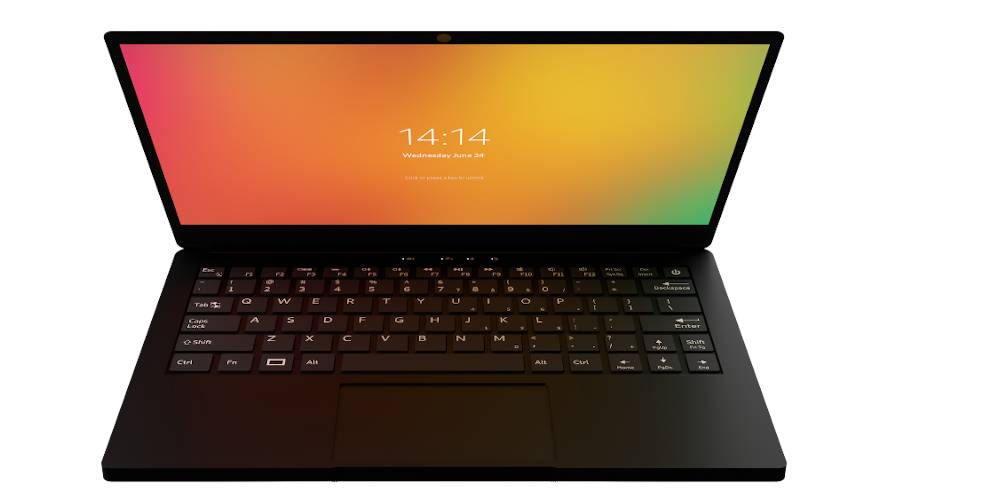
This latest device succeeds the previous Librem 13 laptop, which ran for four generations, and includes a slightly bigger display, a hexa-core Ice Lake Intel Core i7 processor, gigabit Ethernet, and USB-C. As the name implies, the Librem 14 packs a 14-inch, 1920×1080 IPS display. Purism said this comes without increasing the laptop’s dimensions thanks to smaller bezels. You can find the full specs here.
Crucially, it is loaded with the usual privacy features found in Purism’s kit such as hardware kill switches that disconnect the microphone and webcam from the laptop’s circuitry. It also comes with the firm’s PureBoot tech, which includes Purism’s in-house CoreBoot BIOS replacement, and a mostly excised Intel Management Engine (IME).
The IME is a hidden coprocessor included in most of Chipzilla’s chipsets since 2008. It allows system administrators to remotely manage devices using out-of-band communications. But it’s also controversial in the security community since it’s somewhat of a black box.
There is little by way of public documentation. Intel hasn’t released the source code. And, to add insult to injury, it’s also proven vulnerable to exploitation in the past.