Miraculous Spray-On Coating Protects a Watermelon From a 150-Foot Drop

Have you ever wondered if those miracle sprays that promise to protect the liner of your pickup truck from damage actually work? Here’s proof they do. The amateur scientists at YouTube’s How Ridiculous covered a watermelon in Line-X spray and dropped it off a 150-feet tall tower. Not only did the watermelon survive the fall, it actually bounced on impact. Whoa.

Source: Miraculous Spray-On Coating Protects a Watermelon From a 150-Foot Drop

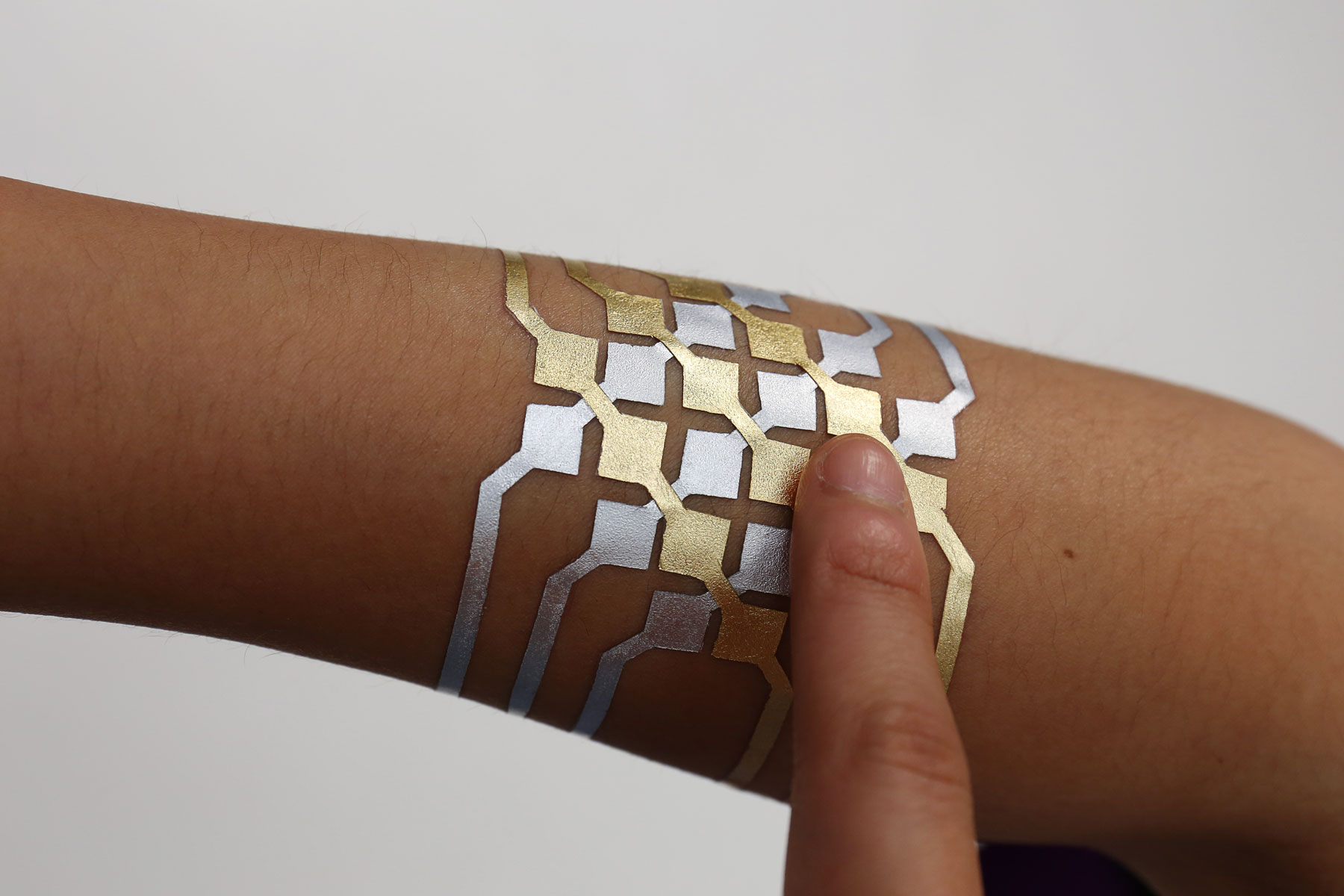
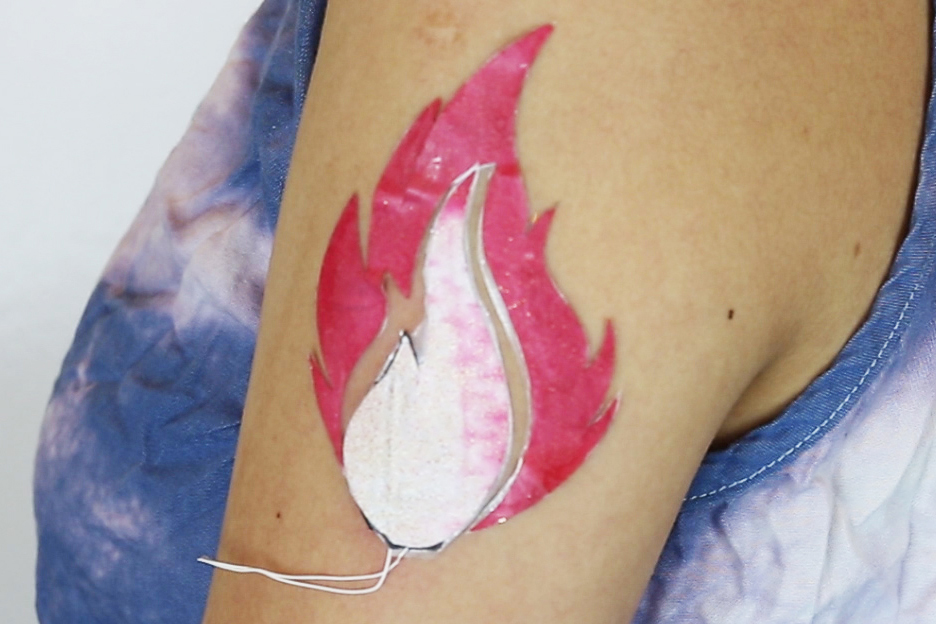
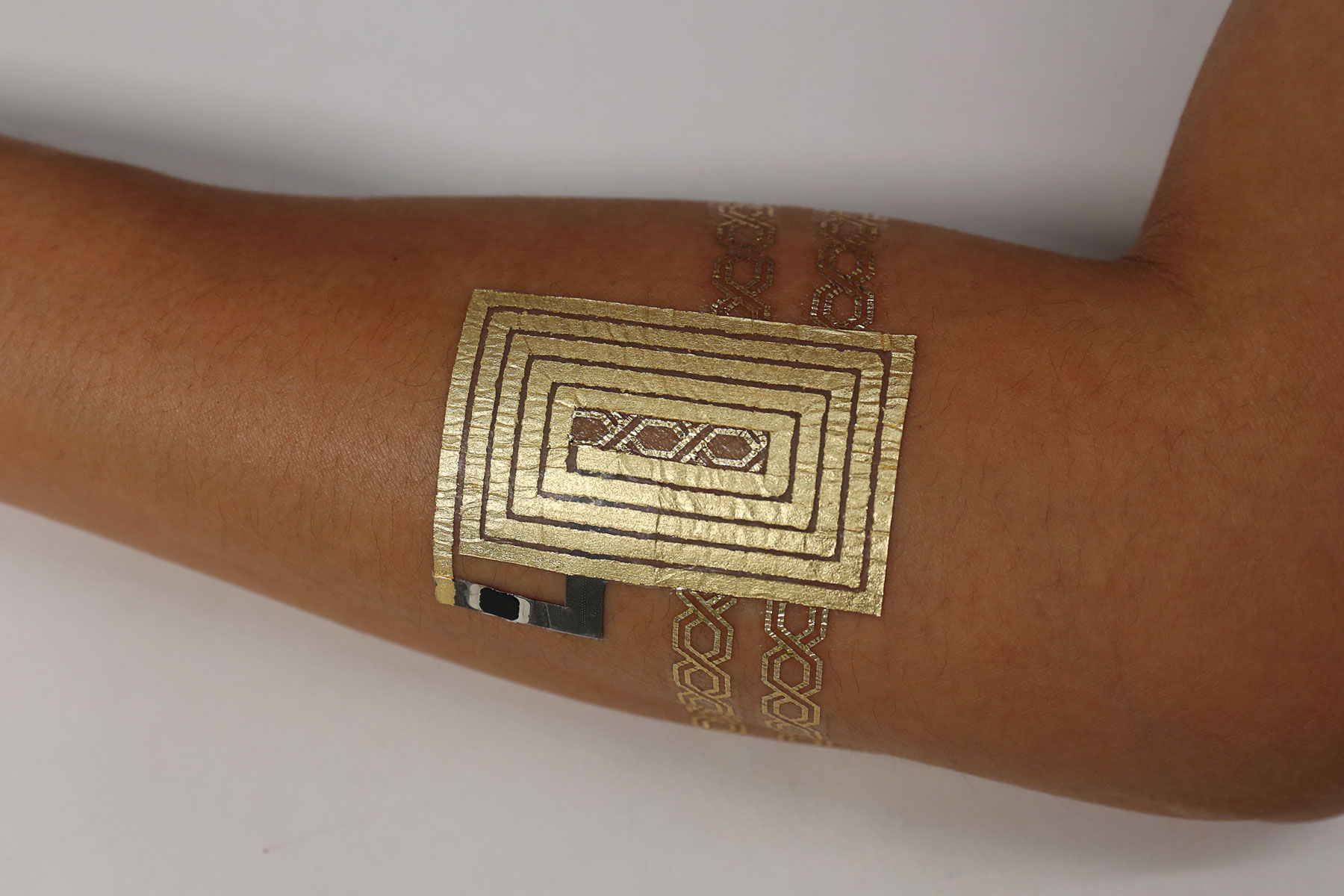
DuoSkin – turn a temporary gold tattoo into a controller, communicator or display

DuoSkin is a fabrication process that enables anyone to create customized functional devices that can be attached directly on their skin. Using gold metal leaf, a material that is cheap, skin-friendly, and robust for everyday wear, we demonstrate three types of on-skin interfaces: sensing touch input, displaying output, and wireless communication.

Source: DuoSkin | MIT Media Lab


Eyefi To Brick Its Older Wi-Fi Cards, And Photographers Aren’t Happy

If you’re a photographer shooting with Eyefi’s older generation Wi-Fi memory cards, here’s something you should know: your card will soon become more or less useless.

Just days after announcing that it had sold its cloud services to Ricoh, Eyefi sent out an email to customers this week, informing them that older X1 and X2 cards — everything prior to the new Mobi line — now have an “End of Life” date of September 16th, 2016.

Source: Eyefi To Brick Its Older Wi-Fi Cards, And Photographers Aren’t Happy

So even hardware is suspect to the whims of the manufacturer. Having a kill switch on stuff you buy sucks.

IBM Research Quantum Experience – access a real quantum computer for free!

IBM Quantum Experience represents the birth of quantum cloud computing, offering hands-on access to IBM’s experimental cloud-enabled quantum computing platform, and allowing users to run algorithms and experiments, work with quantum bits (qubits), and explore tutorials and simulations around what might be possible with quantum computing[…]
The IBM Quantum Experience is a virtual lab where you can design and run your own algorithms through the cloud on real quantum processors located in the IBM Quantum Lab at the Thomas J Watson Research Center in Yorktown Heights, NY.

Source: IBM Research Quantum Experience

Fathom – AI Neural Network learning accelerator on a USB stick

Movidius is also introducing the Fathom Neural Compute Stick — the first product of its kind — a modular deep learning accelerator in the form of a standard USB stick. Featuring a full-fledged Myriad 2 VPU, the Fathom Neural Compute Stick not only enables rapid prototyping, but also delivers high levels of neural network compute to existing devices via a USB port.

Source: Fathom | Machine Vision Technology | Movidius

The Best Time to Buy a Laptop

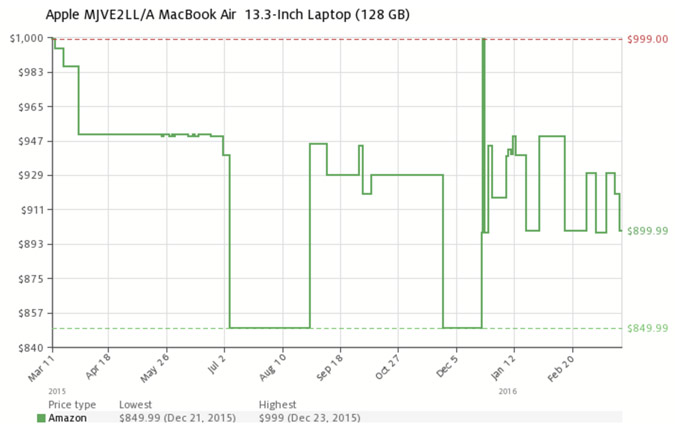
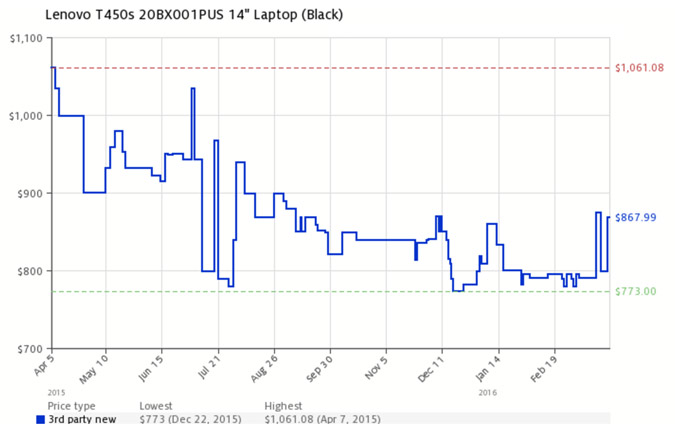
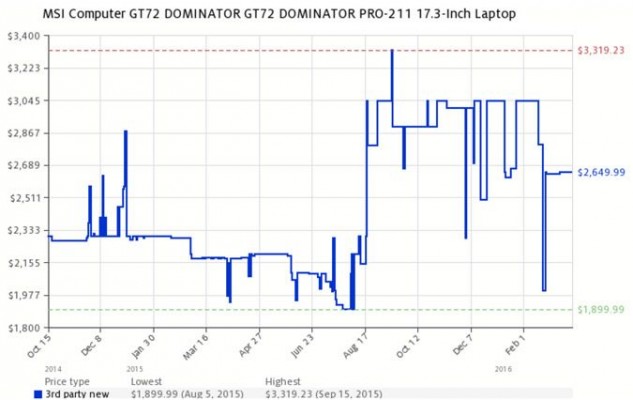
“There is a best time to buy notebooks, and it is exactly when you think it is, between the last week in July and the first three weeks in August, when the back-to-school merchandising frenzy is in full force,” said Analyst Stephen Baker, who studies laptop pricing and sales for the NPD Group, a market intelligence firm. He noted that this time frame applies to both Macs and PCs.
[…]
Bottom Line: You’ll find more deals in the July/August and November/December time frames and will see new model releases in early spring, midsummer and fall.

Source: The Best Time to Buy a Laptop


Newly updated global Internet of Things standards from oneM2M will enable interconnection across devices and applications

oneM2M is the global standards initiative that covers requirements, architecture, API specifications, security solutions and interoperability for Machine-to-Machine and IoT technologies. oneM2M was formed in 2012 and consists of eight of the world’s preeminent standards development organizations: ARIB (Japan), ATIS (North America), CCSA (China), ETSI (Europe), TIA (North America), TSDSI (India), TTA (Korea), and TTC (Japan), together with six industry fora or consortia (Broadband Forum, Continua Alliance, GlobalPlatform, HGI, Next Generation M2M Consortium, OMA) and over 200 member organizations. oneM2M specifications provide a framework to support applications and services such as the smart grid, connected car, home automation, public safety, and health.

Source: ETSI – Now published by ETSI, newly updated global IoT standards from oneM2M will enable interconnection across devices and applications

Why is Philips not a member?

McGill University models a biological computer chip using proteins instead of electric charges

But in the case of the biocomputer, the city is a chip measuring about 1.5 cm square in which channels have been etched. Instead of the electrons that are propelled by an electrical charge and move around within a traditional microchip, short strings of proteins (which the researchers call biological agents) travel around the circuit in a controlled way, their movements powered by ATP, the chemical that is, in some ways, the juice of life for everything from plants to politicians.Because it is run by biological agents, and as a result hardly heats up at all, the model bio-supercomputer that the researchers have developed uses far less energy than standard electronic supercomputers do, making it more sustainable. Traditional supercomputers use so much electricity that they heat up a lot and then need to be cooled down, often requiring their own power plant to function.

Source: Building living, breathing supercomputers | Newsroom – McGill University

Brain – Computer interfaces could be built from graphene: shown to safely interact with neurons in the brain

Researchers have successfully demonstrated how it is possible to interface graphene – a two-dimensional form of carbon – with neurons, or nerve cells, while maintaining the integrity of these vital cells. The work may be used to build graphene-based electrodes that can safely be implanted in the brain, offering promise for the restoration of sensory functions for amputee or paralysed patients, or for individuals with motor disorders such as epilepsy or Parkinson’s disease.

Source: Graphene shown to safely interact with neurons in the brain

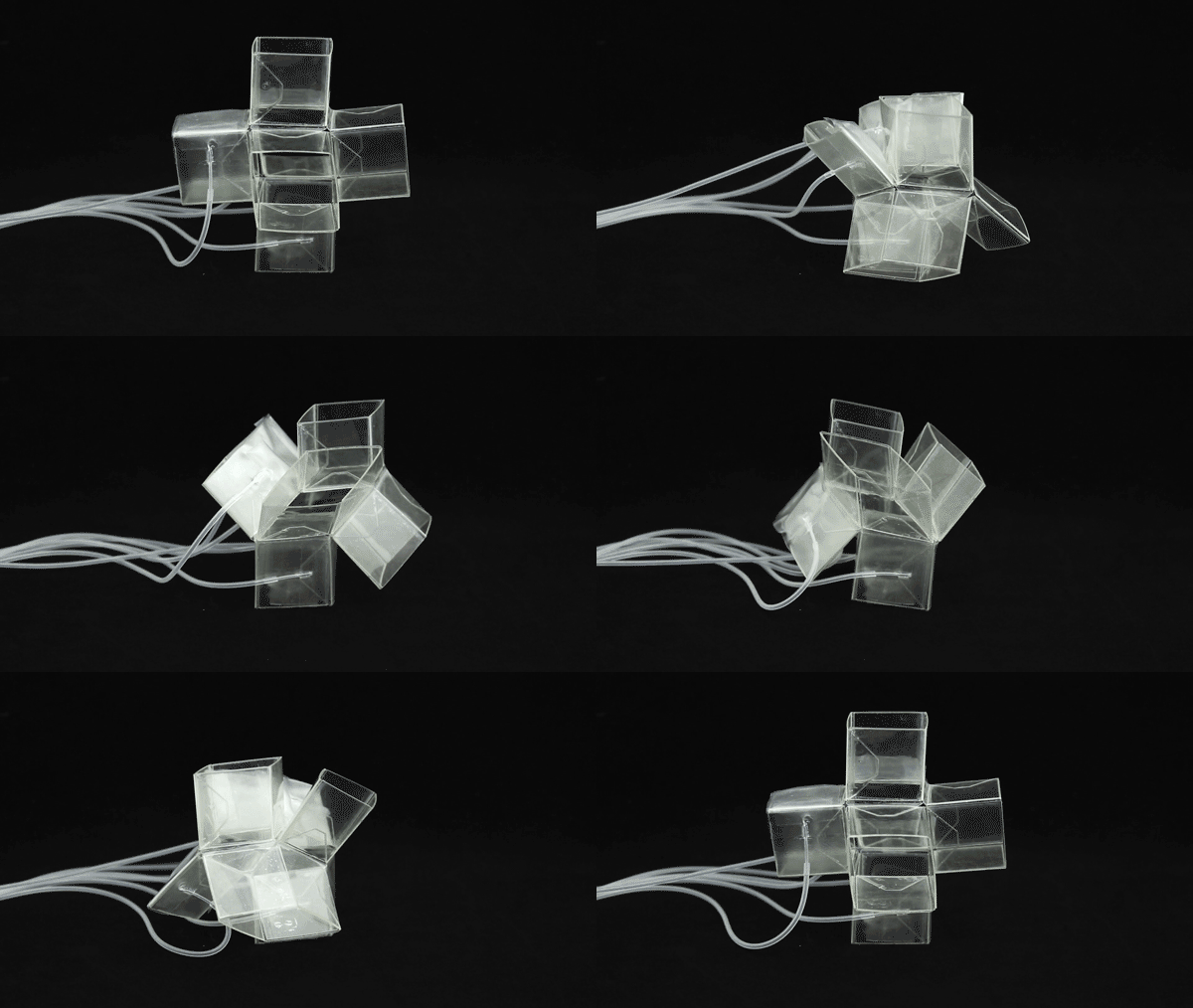
Material that can  remember several shapes

We integrate the elasticity and plasticity into a single polymer network. Rational molecular design allows these two opposite behaviors to be realized at different temperature ranges without any overlap

Source: Shape memory polymer network with thermally distinct elasticity and plasticity

Basically you can save different shapes and recover to those different shapes hundreds of times.

Latest Philips Hue update closes the system, makes it impossible to connect other ZigBee lights

Haven’t they learned from Apple? Closing your system makes users run for more open products. Not a good idea, Philips, I’m not buying this anymore!

De laatste firmware-update voor de Philips Hue bridge brengt een onaangekondigde wijziging. Slimme lampen van andere fabrikanten kunnen niet langer gekoppeld

Source: Philips Hue wordt een gesloten systeem

Physicists make transparent conductors by means of stamping and growing

The researchers based the new process on a combination of two existing techniques. Using the stamping technique ‘Substrate Conformal Imprint Lithography’, which originates from a collaboration between Philips and AMOLF, they stamped a pattern in a thin layer of plastic on top of a glass substrate. The result looks much like a nanoscale landscape: a surface that is crisscrossed with interconnecting channels. The researchers subsequently filled the minuscule channels with silver using a chemical process known as the ‘Tollens’ reaction’. After removing the plastic, a conductive silver grid remains on the glass substrate. The patterns of this conductor are smaller than the wavelength of light; as a result, they do not reflect any colours from the visible spectrum. This property makes the conductor transparent. […] the technique has a conductivity three times as high as a conventional method based on the evaporation of metals

Source: Physicists make transparent conductors by means of stamping and growing

Prosthetic hands can now feel

A 28-year-old who has been paralyzed for more than a decade as a result of a spinal cord injury has become the first person to be able to “feel” physical sensations through a prosthetic hand directly connected to his brain, and even identify which mechanical finger is being gently touched.The advance, made possible by sophisticated neural technologies developed under DARPA’s Revolutionizing Prosthetics points to a future in which people living with paralyzed or missing limbs will not only be able to manipulate objects by sending signals from their brain to robotic devices, but also be able to sense precisely what those devices are touching.“We’ve completed the circuit,” said DARPA program manager Justin Sanchez. “Prosthetic limbs that can be controlled by thoughts are showing great promise, but without feedback from signals traveling back to the brain it can be difficult to achieve the level of control needed to perform precise movements. By wiring a sense of touch from a mechanical hand directly into the brain, this work shows the potential for seamless bio-technological restoration of near-natural function.

The Sensel Morph – finally a replacement Fingerworks Touchstream!

These guys have launched a wildly succesfull kickstarter to produce what is basically a large touchpad. You can print 3D overlays which magnetically lock into place. Programming new overlays shouldn’t be too tough. It’s sensitive enough to detect paint brushes. Now let’s hope it can be a keyboard with the pinch and zoom and multifinger gestures the guys at Fingerworks invented before it was bought up (and then commercially killed) by Apple!

https://www.kickstarter.com/projects/1152958674/the-sensel-morph-interaction-evolved